 EN
EN


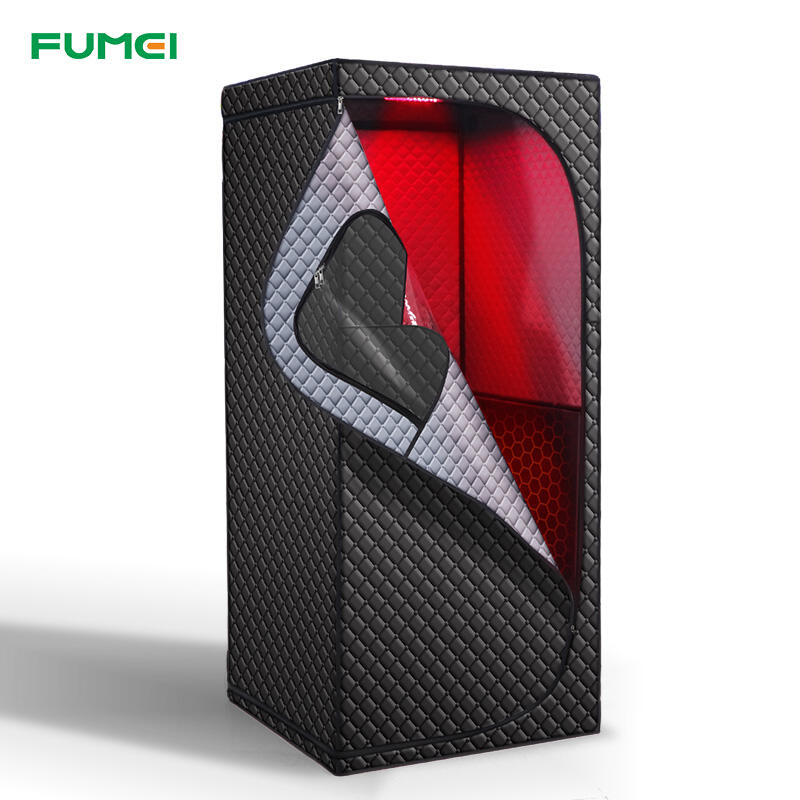



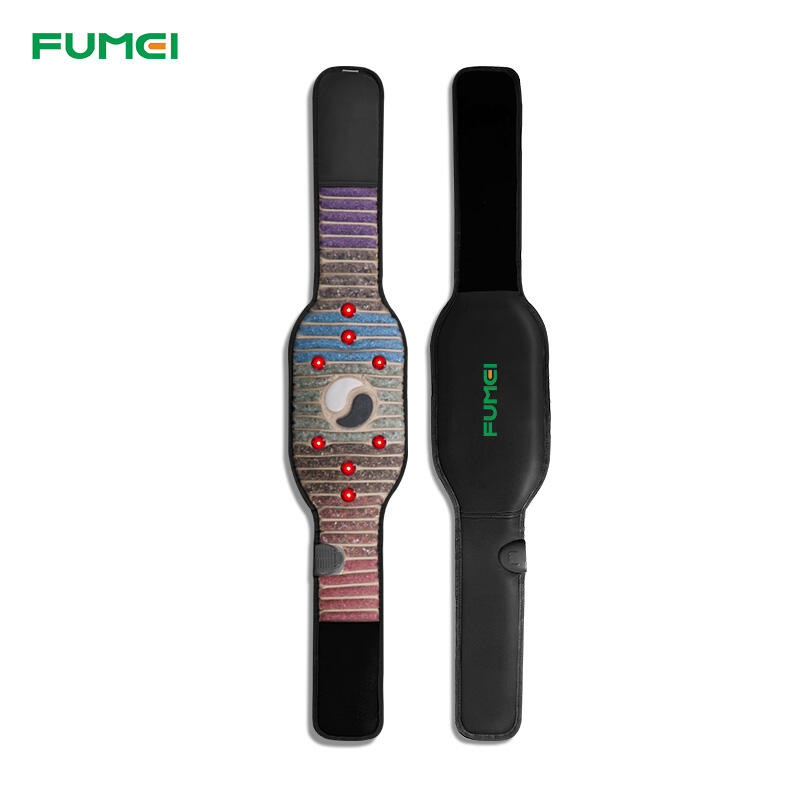


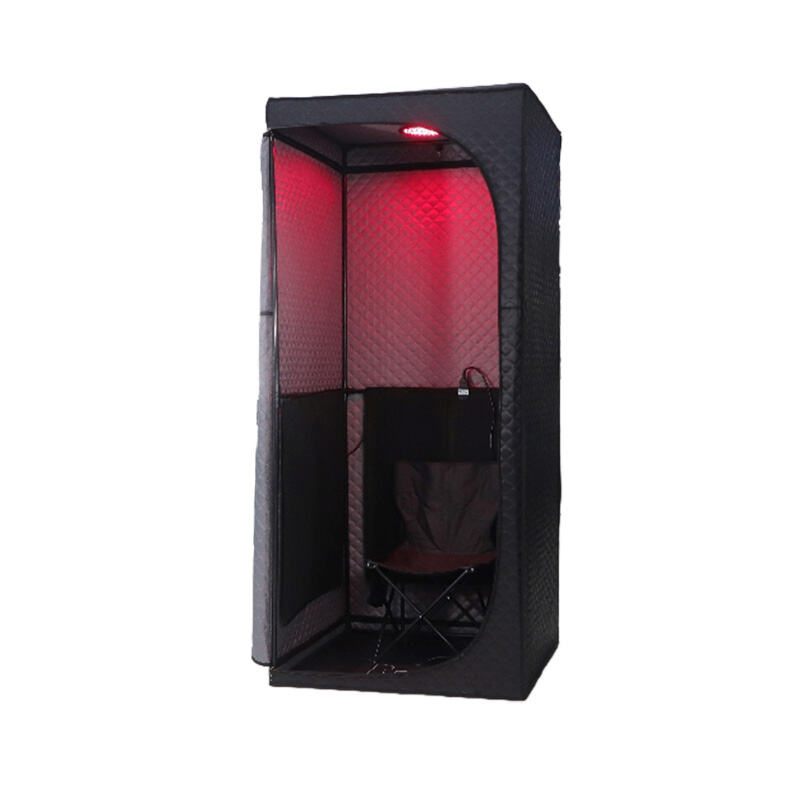
How a Sauna Box Accelerates Post-Workout Recovery
Reducing DOMS and Muscle Stiffness via Heat-Induced Vasodilation
When someone sits in a sauna box, their body responds pretty quickly to the heat. Blood vessels start expanding almost right away, which means better blood flow throughout the system. This increased circulation sends around 30 to 40 percent more oxygen-rich blood to tired muscles at the same time it helps flush out those annoying waste products that build up during workouts, such as lactate. Getting rid of these substances faster actually cuts down on inflammation, which is what causes that sore feeling days after working out hard. A study published back in 2018 found that people who used heat therapy experienced about half the muscle soreness compared to those who just rested normally. Plus, the warmth from saunas tends to loosen up tight muscles too. Many athletes notice they can move more freely and feel less stiff just a day after exercising when they've had a good session in the sauna. This makes sense why so many professional sports teams incorporate regular sauna sessions into their recovery routines.
Heat Shock Proteins, Circulation, and Cellular Repair Mechanisms
When someone spends time in a sauna box, their body starts producing more heat shock proteins, particularly HSP70. These proteins are really important for fixing the tiny damages that happen to cells after working out hard. The research shows that when temperatures hit around 40 to maybe 60 degrees Celsius, the body makes about 150% more HSP70 than usual. This helps fix messed up proteins and stops muscle cells from dying when they're under stress (a study from Cell Stress & Chaperones back in 2020 found this). At the same time, blood flow goes way up, carrying all sorts of good stuff like amino acids, growth factors, and immune cells straight to those little tears in muscle fibers. This speeds up how fast muscles rebuild themselves. What we're seeing here is two things happening together: better blood flow plus these special proteins doing repairs which means the body adapts faster and people recover quicker after workouts. Many athletes who regularly use heat therapy after training report getting their strength and ability to perform back about 20% faster compared to before they started using saunas.
Evidence-Based Sauna Box Protocols for Optimal Recovery
Timing: When to Use the Sauna Box After Exercise (0–60 Min Window)
Getting into a sauna box within about an hour after working out gives the best recovery boost because our bodies are already warmer and blood is flowing better from the exercise itself. When we enter during this time frame, the heat helps open up blood vessels which speeds up getting rid of waste products and sends more oxygen to tired muscles. People who try this report feeling significantly less sore than those who wait longer, sometimes around 30% less discomfort actually. Before jumping straight into the sauna though, it's wise to take a quick 10-minute break to let the body adjust after hard training. This short cooling period lets the heart rate come down gradually and keeps blood pressure stable, so we avoid putting too much stress on the cardiovascular system while still making sure we get all the good stuff from using the sauna at just the right moment.
Duration & Frequency: Tailoring Sessions by Fitness Level and Sauna Box Type
Customizing protocols prevents overload and ensures progressive adaptation. The following evidence-informed guidelines reflect consensus recommendations from sports medicine and thermal physiology research:
| Factor | Beginner | Intermediate | Advanced |
|---|---|---|---|
| Session Duration | 10–15 minutes | 15–20 minutes | 20–25 minutes |
| Weekly Frequency | 2–3 sessions | 3–4 sessions | 4–5 sessions |
| Infrared Sauna Temp | 120–135°F (49–57°C) | 135–150°F (57–66°C) | 150–165°F (66–74°C) |
| Traditional Sauna | Reduce duration by 25% | Maintain baseline | Increase by 10% |
Newcomers to infrared sauna therapy need to take it slow at first, starting with shorter sessions and building up over maybe four to six weeks or so. The good news is that these infrared units let people stay in longer compared to regular steam saunas because they penetrate deeper into tissues without making the air around them feel so hot. Staying hydrated is really important though nobody likes to hear this. Drink about 16 ounces of something with electrolytes right before getting in, and keep an eye out for any red flags like feeling dizzy or light-headed during the session. Those are signals from the body saying it's time to cool down and rest.
Safety, Hydration, and Physiological Load Management with Sauna Box Use
Pre-, During-, and Post-Sauna Box Hydration and Electrolyte Strategies
Staying hydrated isn't just important for getting the most out of a sauna box session—it's essential for safety too. Start drinking fluids about half an hour before stepping into the heat, aiming for around 16 to 20 ounces of water with electrolytes mixed in to get things balanced properly. If someone plans on staying in longer than 15 minutes, they should take small sips of mineral-rich drinks roughly every five minutes during their time inside. People tend to lose between half a liter to one and a half liters of sweat each hour depending on how hot they go. After leaving the sauna, within the next thirty minutes or so, drink something that has a good balance of sodium and potassium to bring back normal blood levels and keep muscles working right. Keep an eye on urine color too—if it looks like pale straw then all is well. Weighing oneself before and after can also help spot problems early since losing over 2% of body weight means serious dehydration needs fixing fast. And no matter what, steer clear of alcohol and coffee either before or after these sessions because both mess with body temperature control and actually make people lose even more fluids than usual.
Contraindications and Monitoring Signs of Overload
Some people need doctor approval before using a sauna box because certain health issues can make it dangerous. The big no-nos include high blood pressure that's not under control, any active heart problems, or when someone has an infection or inflammation going on. Pregnant women should be extra careful too, along with anyone who has a fever or is taking meds that mess with body temperature regulation like beta blockers or water pills. If during a session someone starts feeling dizzy, sees spots, gets nauseous, or feels chest pain, they should get out right away since these are warning signs something isn't right with their body's response. After leaving the sauna, watch for lightheadedness when standing up quickly and check how long it takes for the heartbeat to settle back down normally. For first timers, start slow and easy. Try just 10 to15 minutes at around 140 degrees Fahrenheit max, and only build up from there once they know their body handles it well over several tries.
Integrating Sauna Box Recovery Into Your Weekly Training Plan
Timing sauna box sessions right alongside training schedules and our body's natural cycles can really boost recovery while still letting us adapt properly. When someone trains moderately around three to four times a week, they should plan for about two sessions lasting between fifteen to twenty minutes each. These work best if done within half an hour after finishing a workout when the body is still warm and blood flow is good. For those going through tough periods with five or more hard workouts weekly, adding one extra session on days off makes sense too. This helps tackle built up tiredness and gives the whole system a chance to catch up and recover properly.
When prioritizing hypertrophy, separate sauna box use from strength training by at least 6 hours—evidence suggests concurrent heat exposure may blunt mTOR signaling and reduce anabolic efficiency. For synergistic hormetic adaptation, alternate with cold immersion: e.g., sauna box on Tuesday/Thursday and contrast-ready cold exposure on Monday/Wednesday.
Track objective and subjective recovery markers:
- A sustained reduction in overnight resting heart rate (<5% below baseline) reflects positive adaptation
- Declining sleep quality signals overload and warrants session reduction
- Persistent DOMS beyond 48 hours suggests insufficient hydration, inadequate session timing, or excessive frequency
Maintain at least 48 consecutive recovery hours between heat exposures per week, and consistently replenish electrolytes (500 mg sodium + 300 mg potassium per session) to sustain plasma volume and vascular responsiveness. This cyclical, individualized approach prevents heat acclimatization plateaus and supports long-term performance resilience.
FAQ
What are heat shock proteins, and why are they important?
Heat shock proteins, such as HSP70, are produced by the body in response to stress and elevated temperatures. They help repair damaged proteins and prevent muscle cell stress during physical exertion, aiding faster recovery.
How important is hydration during sauna sessions?
Hydration during sauna sessions is crucial not only for maximizing the benefits but also for safety. Proper fluid intake before, during, and after helps balance electrolytes, prevent dehydration, and maintain optimal physiological function.
Who should avoid using sauna boxes?
Individuals with uncontrolled high blood pressure, active heart problems, infections, or certain medications should avoid sauna box use. Pregnant women, and anyone with fever or inflammation, should seek medical advice before use.