 EN
EN




Essential Sauna Blanket Safety Precautions for Home Use
Proper setup: surface, ventilation, and electrical safety
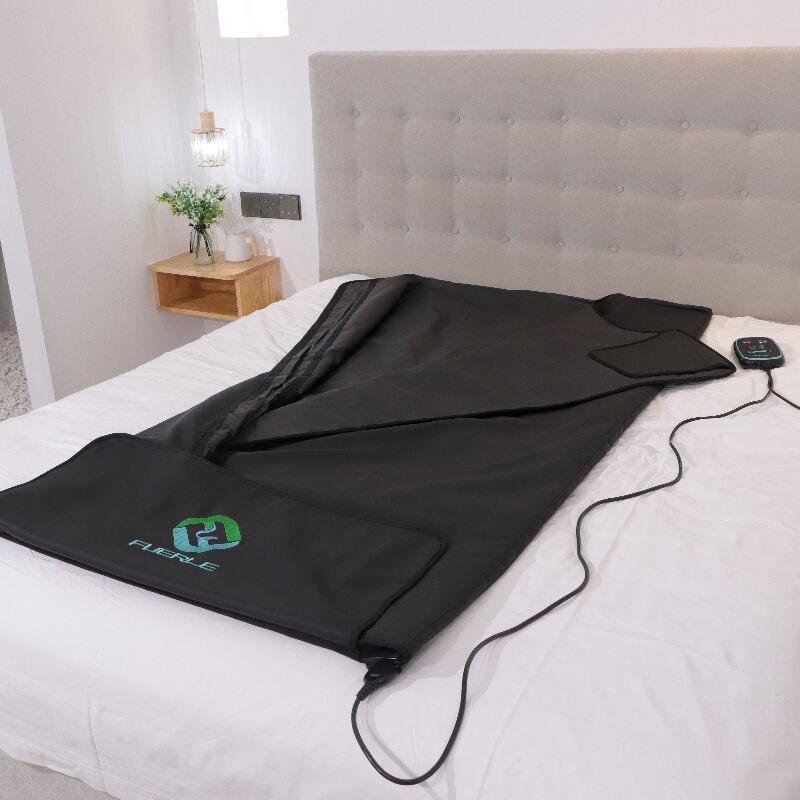
When setting up your sauna blanket, make sure it sits on something solid and fire resistant like wood floors, tiles, or concrete surfaces. Avoid placing it anywhere flammable like beds, carpets, or rugs at all costs. Leave some space around the blanket too - about a foot clearance on every side works best for air circulation and helps keep things from getting too hot. Connect the blanket straight to a proper three-prong wall socket whenever possible. Using extension cords or power strips isn't recommended since faulty electrical setups are responsible for roughly half of all heating appliance fires according to recent reports from the National Fire Protection Association. Before turning on the blanket each time, take a quick look at the power cord for any signs of damage such as frayed wires, cracks, or anything that looks like it might be exposed.
Temperature control, auto-shutoff, and timer functionality
Start out with temperatures around 120 to 135 degrees Fahrenheit (that's about 49 to 57 Celsius) and only raise them once the body shows it can handle it consistently over time. When shopping for equipment, look for models that actually have been tested for safety. The best ones come with automatic shut off after no more than 60 minutes running, built in temperature monitoring that won't let things go past 170 degrees Fahrenheit (or 77 Celsius), plus easy to reach manual controls just in case. Don't forget to check how all these work when doing those initial warm up runs. Newcomers should stick to short sessions, maybe 20 to 30 minutes max even if everything seems safe. Burns can happen without warning sometimes, often before someone even feels uncomfortable, so better safe than sorry approach makes sense here.
Hydration, Session Duration, and Thermal Management with a Sauna Blanket
Pre- and post-session hydration strategies to prevent dehydration
Getting about 16 ounces of water down about half an hour before hopping into the sauna blanket helps the body regulate temperature better. Most people tend to lose around 500 ml during a standard 30 minute session, sometimes even more when it's hotter outside or when they're working out while inside. Afterward, reach for something with electrolytes like sports drinks instead of just regular tap water. Keep drinking plenty throughout the following couple of hours too, particularly if the bathroom visits are few and far between or the pee stays dark colored. Stay away from coffee, tea, beer or anything else containing caffeine or alcohol either right before getting in or for at least three hours after finishing a session since these actually speed up dehydration and make it harder for the body to cool itself properly.
Optimal session length and temperature guidelines by experience level
Thermal stress research supports individualized pacing to reduce strain on cardiovascular and nervous systems. Follow this evidence-informed progression:
| Experience Level | Max Duration | Temperature Range | Weekly Frequency |
|---|---|---|---|
| Beginner | 15–20 min | 104–113°F (40–45°C) | ≈2 sessions |
| Intermediate | 30–45 min | 122–131°F (50–55°C) | 3–4 sessions |
| Advanced | 45–60 min | 140–149°F (60–65°C) | 4–5 sessions |
Always enable auto-shutoff and start 10°F below your target temperature, allowing 5 minutes for core temperature stabilization. Stop immediately—and cool down gradually—if you experience nausea, lightheadedness, chest tightness, rapid heartbeat, or confusion.
Who Should Avoid or Consult Before Using a Sauna Blanket
Medical contraindications: pregnancy, cardiovascular disease, and neuropathy
Pregnant women should avoid using sauna blankets because rising body temperatures can pose serious risks to both mother and baby. There's evidence linking high core temps during pregnancy to issues like neural tube defects and fetal distress. People who have heart problems need to be especially careful too. Conditions such as uncontrolled high blood pressure, recent heart attacks, irregular heartbeats, or blood clotting disorders all mean the body handles heat differently, putting extra strain on the cardiovascular system. Those suffering from nerve damage in their extremities or autonomic nervous system issues must take extra precautions. These individuals often can't sense when they're getting too hot, which means they might overheat without realizing it. Research shows people with these conditions tolerate heat about 40% worse than those without them according to a study published in the Journal of Clinical Neurophysiology last year. Other situations where sauna blanket use isn't recommended either absolutely or with caution would include...
- Acute infections or inflammatory flare-ups (e.g., rheumatoid arthritis, gout)
- Skin conditions affecting eccrine gland function (e.g., psoriasis plaques, severe eczema)
- Heat-sensitive implanted devices (e.g., pacemakers, insulin pumps, neurostimulators)
When to seek physician clearance—red flags and risk factors
Consult a licensed healthcare provider before first use if you have:
- Uncontrolled type 1 or type 2 diabetes (risk of glucose instability and delayed wound healing)
- Osteoporosis (heat may exacerbate bone resorption in susceptible individuals)
- Medications that impair thermoregulation (e.g., diuretics, anticholinergics, beta-blockers, SSRIs)
- Personal or family history of heatstroke, anhidrosis, or malignant hyperthermia
If someone experiences dizziness, throws up, has a racing heart (over 100 beats per minute while resting after a session), trouble breathing, or changes in their mental state, they need to stop immediately and get medical help right away. People over 60 years old really should talk to a doctor before trying this stuff out because as we get older our bodies handle sweat differently, our hearts don't perform as well under stress, and our kidneys aren't as good at concentrating urine anymore. These natural changes make seniors much more vulnerable to getting dehydrated and experiencing drops in blood pressure when standing up suddenly.
FAQ about Sauna Blanket Safety
Are sauna blankets safe for children?
Sauna blankets are not recommended for children due to the complexities of managing temperature control and hydration effectively in younger bodies.
Can I use a sauna blanket if I have a common cold?
Using a sauna blanket during a common cold might help with symptoms like nasal congestion, but it is crucial not to overheat and stay well-hydrated. If symptoms are severe or worsen, consult with a healthcare provider.
How often can I use a sauna blanket in a week?
The frequency depends on your experience level: beginners 2 times, intermediates 3-4 times, and advanced users 4-5 times per week.
Is it safe to shower immediately after using a sauna blanket?
It is recommended to cool down gradually before taking a shower to avoid shocking your system due to sudden temperature changes.