 EN
EN





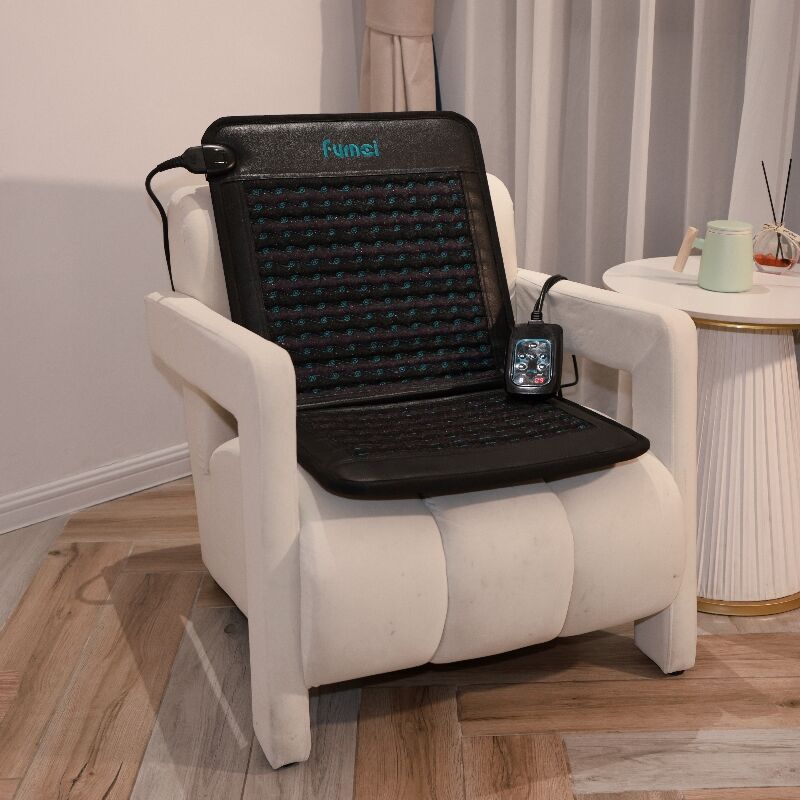
Cleaning and Sanitizing Your PEMF Mat Safely
Spot Cleaning vs. Deep Cleaning: Frequency and Technique Guidelines for PEMF Mat Surfaces
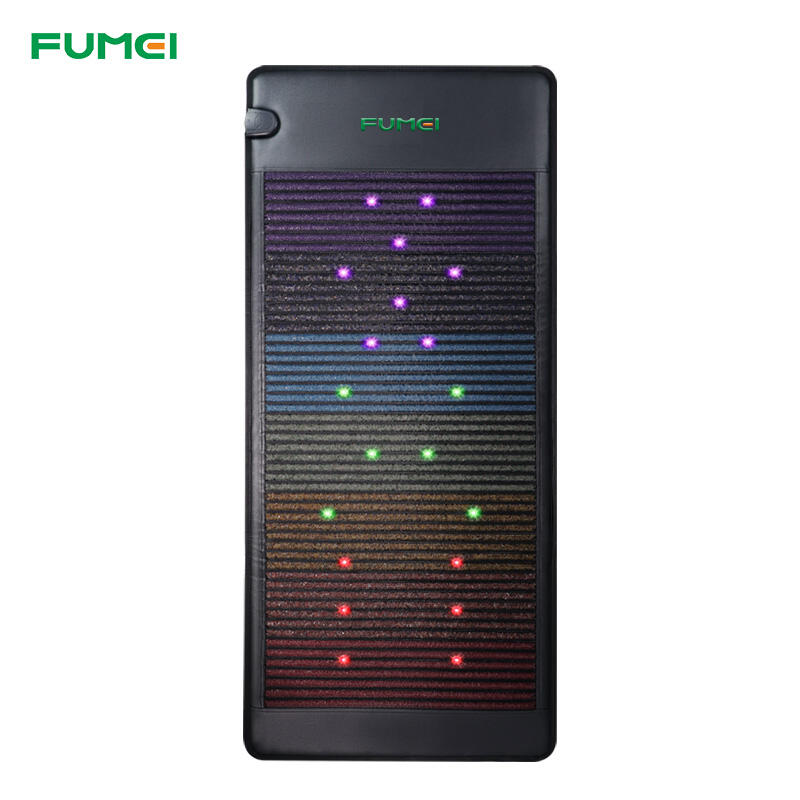
Keeping a PEMF mat clean involves two main approaches: spot cleaning for everyday maintenance and deeper cleaning when needed. After using the mat, it's best to wipe away sweat, oils, or dust right away. Grab a microfiber cloth, dampen it just enough with distilled water mixed with some pH neutral soap that doesn't contain ions. Gently move the cloth in circles across the surface without getting it too wet. Then quickly dry everything off with another clean towel to stop any moisture from seeping into the inner parts. For a thorough clean, do this once a month or whenever there's been a big spill. Remember to unplug the device first! Go over the whole surface carefully but not aggressively. Don't ever put the mat underwater, avoid steam cleaners at all costs, and definitely don't press down hard on it. Let the mat dry fully flat somewhere safe before putting it away or using again. Regular cleaning like this keeps things running smoothly and protects those delicate electromagnetic parts inside from damage over time.
Non-Damaging Disinfection: Hypochlorous Acid, Mild Soaps, and What to Avoid (e.g., Alcohol, Bleach)
Keeping a PEMF mat clean means finding disinfectants that work well but don't damage the product either. Hypochlorous acid or HOCl has gotten approval from the EPA and works really well against all sorts of germs including bacteria, viruses, and fungi. What makes it special is how little of it actually needs to be used, around 50 to 200 parts per million, yet it won't eat away at fabrics, coatings, or the insulation on wires. The best way to apply this stuff is through a fine mist sprayer so everything gets covered evenly without soaking anything. For those who prefer something more natural, mild plant based soaps can do the trick too if diluted properly according to what the manufacturer says. Just remember to wipe gently after applying. And before trying out any new cleaning solution, it's always smart to spot test it somewhere hidden first where nobody will notice if there happens to be a problem.
Avoid these high-risk agents entirely:
- Alcohol (isopropyl or ethanol): Strips protective polymer coatings, leading to cracking and reduced surface integrity
- Bleach (sodium hypochlorite): Accelerates fabric breakdown and compromises wire insulation
- Abrasive cleaners or scrubbing pads: Scratch surfaces and abrade conductive layers
- Essential oils or solvent-based products: May dissolve adhesives or plasticizers over time
Material durability research confirms that repeated exposure to harsh chemicals can accelerate physical degradation by up to 47%. Prioritizing gentle, evidence-backed disinfection directly supports long-term therapeutic performance and device reliability.
Optimal PEMF Mat Storage to Prevent Degradation
Environmental Best Practices: Temperature, Humidity, and UV Exposure Control
For best results, keep the PEMF mat stored somewhere where temperature stays steady. The sweet spot is around 7 to 23 degrees Celsius, with humidity levels staying under 50% most of the time. These environmental factors help stop the materials from stretching out over time, keep them dry inside those composite layers, and protect against rust forming on the coils within. Sunlight needs to stay away at all costs too. When exposed to UV rays, the materials start breaking down through chemical reactions that damage both the outer shell and the sensitive electronics underneath. Some tests on high quality aerospace materials actually found that components age about 47% faster when left unprotected from sunlight. Making sure these storage conditions are met will go a long way toward preserving the device's performance and lifespan.
- Use a calibrated hygrometer and thermometer to monitor ambient conditions
- Ensure adequate ventilation to prevent condensation buildup
- Avoid attics, garages, or basements where temperature and humidity fluctuate widely
Physical Protection: Rolling, Folding, and Enclosure Strategies to Avoid Tears and Coil Damage
Don't ever try folding a PEMF mat where the coils run through it because bending puts stress on the internal wires and can actually cause tiny cracks or break the circuit completely. The better approach is to roll it up gently, letting it follow its own shape rather than forcing it into corners. Start at one side and keep pulling steadily as you go. If storing for extended periods, wrap the rolled mat in something like cotton or linen fabric instead of putting it in plastic bags. Plastic just traps all that dampness and leads to mold growth or metal parts rusting over time. Also important: get those mats off concrete floors or anywhere not properly sealed. Use wooden shelves or old pallets to lift them up so they don't absorb moisture from below. And when moving them around, always handle with care...
- Lift with two people to avoid seam strain or connector damage
- Never drag or slide across surfaces
- Pad sharp container edges to protect seams and connectors
Inspect the mat's surface and perimeter connectors monthly for abrasions, discoloration, or stiffness near wiring zones—early detection helps avoid costly coil repairs or field failure.
Power Management and Proactive PEMF Mat Maintenance
Why Power-Down Discipline Reduces Thermal Stress and Extends PEMF Mat Coil Lifespan
Turning off your PEMF mat right after every session matters more than most people realize when it comes to keeping the device working properly. When we leave them running too long or forget to shut them down completely, there's still electricity moving through those coils inside. This creates heat buildup over time that starts wearing down both the wiring and insulation materials. Research on how these devices last shows that letting this happen can cut their useful life short maybe around 30% or so without proper care. Making sure to power down consistently gives those internal parts time to cool back down to room temperature between sessions. This helps maintain the strength of the magnetic fields, keeps the physical structure intact, and maintains good electrical performance overall. Think of turning off the mat as something important enough to make part of your routine rather than just another thing to remember at the end.
Monthly PEMF Mat Inspection Checklist: Visual, Tactile, and Functional Verification Steps
Conduct a concise but thorough monthly inspection using this three-phase protocol to catch subtle signs of wear before they affect performance:
Visual Examination
Inspect under bright, direct light for surface anomalies: discoloration, warping, fine cracks, or abrasions—especially near seams and connectors. Check all ports and jacks for corrosion, dust accumulation, or bent pins.Tactile Assessment
Gently press along the full length and width of the mat. Feel for irregularities such as localized lumps (possible coil displacement), stiff or brittle zones (indicating polymer degradation), or spongy areas (suggesting delamination or moisture ingress).Functional Testing
Run a brief, low-intensity session using manufacturer-recommended settings. Observe startup behavior for consistent pulsing, uniform field distribution, and stable intensity output. Note any delays, dropouts, or erratic patterns—these may signal early control board or coil issues.
Document findings in a simple log—even minor changes tracked over time provide invaluable insight into usage patterns and potential failure modes. This proactive approach transforms maintenance from reactive repair to confident, long-term stewardship.
FAQ
-
How often should I clean my PEMF mat?
Spot clean your PEMF mat after each use and perform a deeper cleaning once a month or after a large spill.
-
What cleaning solutions are safe for my PEMF mat?
Use hypochlorous acid or mild plant-based soaps for safe cleaning. Avoid alcohol, bleach, abrasive cleaners, and solvent-based products.
-
Can I fold my PEMF mat for storage?
No, folding can damage the internal coils. Instead, gently roll the mat for safe storage.
-
How can I ensure my PEMF mat lasts longer?
Consistently clean it, store it in stable environmental conditions, and power it down after each use to reduce thermal stress.
-
How should I inspect my PEMF mat monthly?
Conduct a visual, tactile, and functional inspection monthly to identify any signs of wear or potential issues.