 EN
EN






How to Use a Red Light Therapy Mask: A Step-by-Step Protocol
Pre-Treatment Skin Preparation: Cleansing and Avoiding Occlusives or Actives
Start each session with a clean face, making sure all makeup, sunscreen, oils, and leftover stuff is gone. Products containing petroleum or heavy moisturizers actually block light from getting through the skin by around 40%. For best results, go with a mild cleanser that doesn't exfoliate. Stay away from retinoids, AHAs, BHAs, or similar active ingredients at least a day before the treatment since they make skin more sensitive to light and might interfere with collagen production. Allow the skin to dry naturally without touching it. Any remaining moisture on the surface will scatter those important red (633nm) and near infrared (850nm) wavelengths, meaning less energy reaches where it needs to go in the skin layers below.
Device Setup: Proper Alignment, Contact, and Comfort for Effective Light Delivery
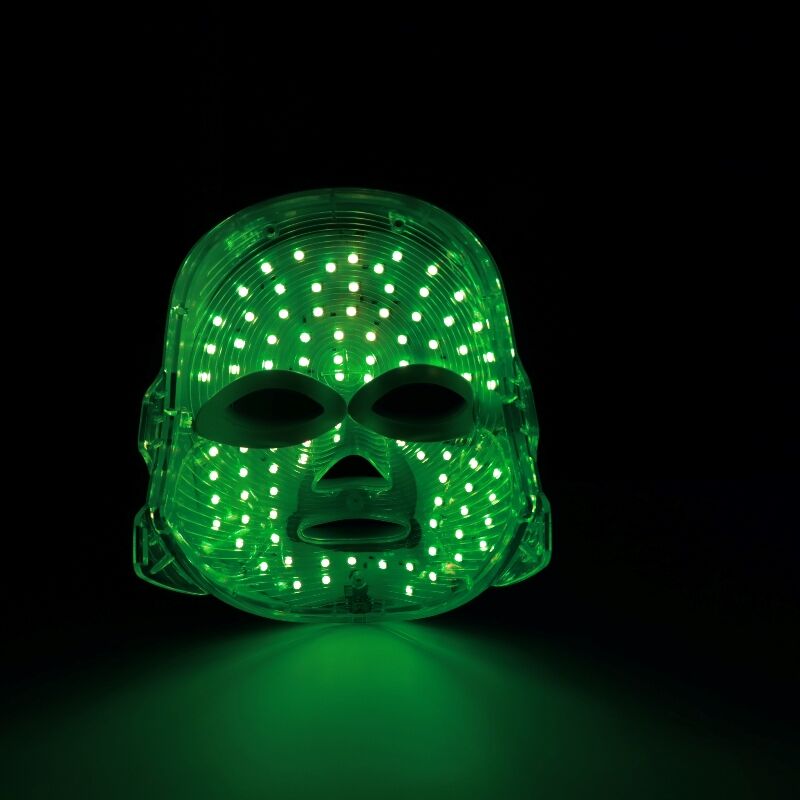
Make sure the mask sits flat against the face, particularly around those tricky spots like eyes, nose bridge, and forehead area. Gaps bigger than about 2mm will let in air pockets which can cut down on the light intensity by somewhere between 15 to 30 percent. The straps need adjusting so they sit evenly without pinching anywhere. Most masks approved by the FDA come with these soft silicone frames that bend and move with the face shape pretty well. Eye protection matters too remember to either put on those goggles or just shut the eyes during treatment since there have been reports showing some risk to the retina when exposed to certain light wavelengths. Point those little light openings at problem areas such as laugh lines or places where acne tends to pop up for best results. Before starting, check if the battery has at least 80% power left because inconsistent lighting across the 633 to 850 nanometer range means the treatment won't work properly.
Session Execution: Timing, Consistency, and Real-Time Adjustments
Most people find 10 to 20 minute sessions work well when done 3 to 5 times per week. Studies indicate that after around 10 minutes, the benefits from light therapy start to level off as collagen production reaches its peak. Many newer devices come equipped with built-in timers and gentle reminders halfway through treatment. If anyone experiences strange sensations like excessive warmth, lightheadedness or any kind of discomfort during use (this happens rarely, less than 1% of cases), they should stop right away. Keeping track of how consistently treatments are completed matters a lot. Research suggests that most noticeable changes in skin quality happen when someone sticks to the recommended schedule at least 90% of the time over a period of six to eight weeks. After each session, using a hyaluronic acid based serum can help take advantage of better skin absorption and keep moisture locked in longer.
Optimal Red Light Therapy Mask Frequency and Duration for Results
Evidence-Based Protocols: 10–20 Minutes, 3–5x/Week for Cumulative Benefits
Consistent 10–20 minute sessions 3–5 times per week represent the gold-standard protocol supported by clinical photobiology research. This rhythm balances mitochondrial stimulation—driving ATP production for cellular repair—with necessary recovery periods. Shorter, regular exposures outperform infrequent, longer ones due to photobiomodulation’s saturation thresholds. For example:
| Factor | Ideal Protocol | Physiological Effect |
|---|---|---|
| Session Duration | 10–20 minutes | Maximizes cellular uptake without thermal stress |
| Weekly Frequency | 3–5 sessions | Prevents diminishing returns and sustains mitochondrial responsiveness |
| Total Cycle | 6–8 weeks | Aligns with dermal collagen synthesis timelines |
Exceeding 20 minutes per session reduces efficacy—mitochondria reach energy saturation, and a 2023 study found 15-minute sessions delivered 37% greater elasticity improvement than irregular 30-minute treatments when frequency was matched.
Timeline for Visible Improvements: Weeks 6–8 and the Collagen Synthesis Lag
Most people start seeing visible changes around weeks 6 to 8 when using consistently—not that the light therapy isn't doing anything earlier on, but collagen actually takes time to remodel according to how our bodies work. The cells do respond right away, sure, but those new collagen strands need about 4 to 6 weeks just to form properly and get woven into place within the skin's structure. Clinical studies show roughly 58 percent of folks didn't notice much difference until past week six. There are three main reasons why this particular timeframe matters so much for results:
- Collagen turnover rate: Dermal fibroblasts need >120 hours to synthesize and deposit mature collagen
- Cumulative light dose: At least 24 full sessions are required to trigger measurable structural change
-
Individual variability: Those with thicker or slower-turnover skin may require 10+ weeks for visible results
Discontinuing early interrupts the regeneration cascade—maintain protocol through the lag phase for sustained outcomes.
Safety Essentials When Using a Red Light Therapy Mask
Eye Protection: Why Closed Eyes or FDA-Cleared Goggles Are Mandatory
Looking directly at light sources emitting therapeutic wavelengths between 630 and 850 nanometers can cause real problems for the eyes according to FDA studies. These issues range from temporary sensitivity to light to actual damage to the retina itself. Closing one's eyes does help reduce the intensity quite a bit, but it won't stop all those near infrared rays from getting through. The only real protection comes from wearing special goggles approved by the FDA that meet ANSI Z80.3 standards. These glasses filter out about 99.7 percent of harmful NIR photons, making them essential for anyone working with these devices. No exceptions here folks! Whether someone is using LED lights or laser equipment makes no difference when it comes to eye safety protocols. Every single treatment session needs proper eye protection regardless of what kind of technology is involved.
Avoiding Overuse: Photobiomodulation Saturation and Diminishing Returns
The effectiveness of photobiomodulation depends heavily on proper dosing. When there's not enough light, nothing really happens. But go overboard and cells just get saturated, which actually makes things worse. Research indicates that collagen production drops around 30 percent if sessions last longer than 20 minutes according to Ponemon's findings from 2023. People also tend to see diminishing returns once they hit more than five sessions each week. The mitochondria need some downtime too. Most experts recommend waiting at least two days between treatments for best results. To get good long term outcomes, three to four weekly sessions seem ideal, and definitely keep each session under those 20 minute marks. Going beyond this doesn't speed up progress. Instead, it often ends up slowing things down considerably.
Integrating Your Red Light Therapy Mask Into a Skincare Routine
Strategic Pre- and Post-Care: Cleansing, Hydration, and Avoiding Retinoids or Exfoliants Before Use
Think of the red light therapy mask as part of the routine, not something done alone. Begin with a freshly washed face that's completely dry since anything on the skin can block the light. Important note: steer clear of retinoids, those AHA/BHA products, or any kind of scrubbing stuff at least a day before treatment to keep things from getting sensitive or irritated. After using the mask, the skin tends to soak up products better so applying hyaluronic acid or those serum packs full of peptides right away helps boost moisture levels and gives collagen production a nice kickstart. People who do this in the morning need to slap on some good sunscreen afterward. For night time sessions, reaching for moisturizers loaded with ceramides works wonders for fixing up the skin barrier. Studies show keeping active ingredients separate from when we expose skin to light actually protects the skin better while still letting us get all the good stuff from the light therapy.
Frequently Asked Questions
What is the ideal session duration for red light therapy?
The ideal session duration is between 10–20 minutes for optimal cellular uptake without causing thermal stress.
How often should I use a red light therapy mask per week?
Using the mask 3–5 times per week is recommended to maintain mitochondrial responsiveness and prevent diminishing returns.
When will I start seeing results from using a red light therapy mask?
Most people start seeing visible improvements around weeks 6–8, as collagen synthesis has its lag phase.
Why is eye protection mandatory during red light therapy?
Eye protection is mandatory because exposure to therapeutic wavelengths between 630 and 850 nanometers can cause retinal damage.
Can I overuse a red light therapy mask?
Yes, overusing can lead to photobiomodulation saturation and diminishing returns, so keep sessions under 20 minutes and space them wisely.
Table of Contents
- How to Use a Red Light Therapy Mask: A Step-by-Step Protocol
- Optimal Red Light Therapy Mask Frequency and Duration for Results
- Safety Essentials When Using a Red Light Therapy Mask
-
Integrating Your Red Light Therapy Mask Into a Skincare Routine
- Strategic Pre- and Post-Care: Cleansing, Hydration, and Avoiding Retinoids or Exfoliants Before Use
- Frequently Asked Questions
- What is the ideal session duration for red light therapy?
- How often should I use a red light therapy mask per week?
- When will I start seeing results from using a red light therapy mask?
- Why is eye protection mandatory during red light therapy?
- Can I overuse a red light therapy mask?