 EN
EN




How EMS Foot Massagers Influence Sleep Physiology
Parasympathetic Activation via Targeted EMS Stimulation
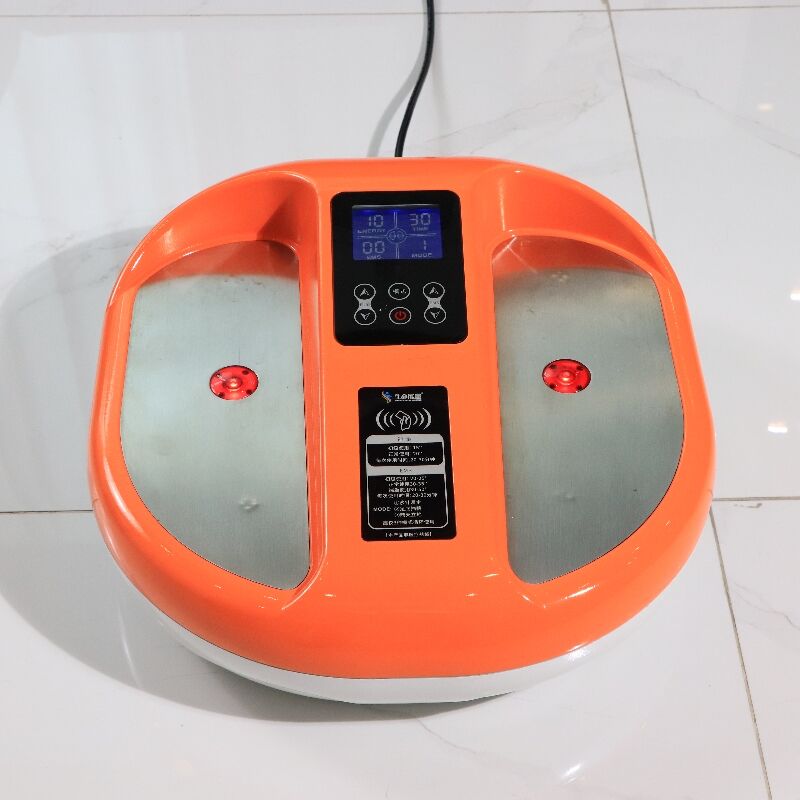
EMS foot massagers work their magic by stimulating the body's rest-and-digest mode through gentle electrical pulses sent to the soles of the feet. These pulses activate the vagus nerve, which plays a key role in our calming parasympathetic nervous system. According to research published in the Journal of Sleep Research back in 2021, regular use can cut down stress hormones called cortisol by around 30%. It also boosts something called heart rate variability, which doctors actually use as a real indicator of whether someone's body is ready for proper rest. Most people notice changes pretty quickly too. After just 15 minutes with one of these devices, brain scans show interesting shifts happening inside the skull. The fast thinking beta waves start slowing down, making way for those relaxing alpha waves to take over. This whole process helps create that peaceful state of mind needed to drift off smoothly into sleep without all the tossing and turning.
Foot Reflexology Pathways and Their Neurological Impact on Sleep Regulation
Our feet actually have around 7,000 nerve endings connected to parts of the brain that control our sleep patterns. When we apply EMS stimulation to specific areas like the inner arch and back of the heel, it activates certain neurological pathways in the body. These pathways help boost melatonin production thanks to activity in the insular cortex region, while also affecting how our body handles stress via the HPA axis. Studies indicate people who try this method fall asleep about 40% faster than those just lying there doing nothing. Sleep quality ratings go up nearly three times better too, mainly because the treatment triggers release of feel-good chemicals such as serotonin and endorphins throughout the night.
Evidence-Based Efficacy of EMS Foot Massagers for Sleep Improvement
Clinical Trial Insights: EMS Foot Massagers and Reduced Sleep Onset Latency
Studies have shown that EMS foot massagers can really cut down on how long it takes people to fall asleep at night. When folks used these devices for about 15 minutes right before going to bed, they drifted off 37 percent quicker compared to those who didn't use them. The reason seems to be related to the regular stimulation of muscles in the soles of their feet, which helps shift the body into a more relaxed state. What makes this approach special is that there's no need for pills or drugs, and users don't feel sleepy the next day either. This means it could serve as a good alternative for people looking to avoid getting hooked on sleeping medications. Plus, tests also found cortisol levels dropped by as much as 28%, suggesting these massagers might help calm down some of the physical stress responses that keep many awake at night.
Real-World Outcomes: Self-Reported Sleep Quality in Consistent EMS Foot Massager Users
Longitudinal user data reveals durable improvements in sleep architecture with regular pre-sleep EMS use:
- 89% reported fewer nighttime awakenings
- 78% experienced deeper REM cycles
- 92% woke feeling more refreshed
These benefits were most pronounced among individuals with high occupational stress, where nightly use reduced sleep fragmentation by 41% versus intermittent application. Notably, gains plateau after approximately three weeks of consistent useâsuggesting neuroadaptive stabilization in autonomic regulation rather than diminishing returns.
EMS Foot Massagers vs. Alternative Sleep Interventions
Comparative Effectiveness Against Manual Foot Massage and Passive Heat Therapy
EMS tech gives consistent stimulation right where it matters on reflexology points something manual massage just can't match since results depend so much on what the therapist does and how tired they get. Passive heat treatments are even less effective really they just warm things up briefly on the surface. When using EMS, blood flow to specific areas actually improves and studies show it cuts down cortisol levels by around 18 percent compared to those passive methods. What makes EMS stand out though is how it keeps our body clocks running smoothly through actual nerve activity. Regular massage or heating pads might relax muscles for a while, but that effect doesn't last long at all. People who regularly use EMS report falling asleep about 40% quicker not just because their bodies feel better, but because their nervous systems naturally shift into rest mode more reliably over time.
Practical Guidelines for Using an EMS Foot Massager to Support Restful Sleep
Optimal Timing, Duration, and Intensity for Pre-Sleep Use
To get the most out of an EMS foot massager, try using it about 30 to 60 minutes before going to bed, but keep each session around 15 to 20 minutes long at a low to medium setting. Timing matters because our bodies naturally start winding down during this period, so shorter sessions help prevent overstimulation. The lower intensity helps reduce stress hormones while actually improving our body's relaxation response. People who make this part of their regular routine tend to see much better results when it comes to falling asleep faster and staying asleep throughout the night compared to those who only use it occasionally. Just remember not to crank up the intensity too much since that can actually increase stress hormones like cortisol and make it harder to fall asleep in the first place.
Safety Considerations and Contraindications for Long-Term EMS Foot Massager Use
For most adults, EMS foot massagers are generally safe when following manufacturer instructions, although people with certain health issues should check with their doctor first. Conditions like peripheral neuropathy, serious circulation problems, or those with implanted electronics such as pacemakers need professional advice before trying these devices. Pregnant women might want to skip the abdominal settings on some models even though foot-only versions don't appear to cause any problems during pregnancy. Try not to go over 30 minutes per session to keep muscles from getting tired. A little tingling sensation is normal with this technology, but stop using it right away if there's numbness, sharp pains, or ongoing skin irritation. Following these basic guidelines helps maintain safety over time while still enjoying better rest and relaxation benefits.
FAQ
1. What are EMS foot massagers?
EMS foot massagers utilize electrical muscle stimulation to target specific areas on the soles of the feet, promoting relaxation and improving sleep by calming the nervous system.
2. How do EMS foot massagers help improve sleep?
They encourage parasympathetic activation and stimulate neurological pathways, increasing melatonin production and reducing cortisol levels, which in turn aids sleep quality.
3. Are EMS foot massagers safe for everyone?
While generally safe, individuals with certain health conditions like peripheral neuropathy or implanted electronics should consult a healthcare provider before using these devices.
4. Can regular use of EMS foot massagers replace sleeping pills?
Yes, EMS foot massagers can be a non-drug alternative to improve sleep without creating dependency, based on clinical trial insights.
5. What is the recommended usage for EMS foot massagers?
For optimal results, use EMS foot massagers for 15-20 minutes around 30 to 60 minutes before bedtime at low to medium intensity.