 EN
EN







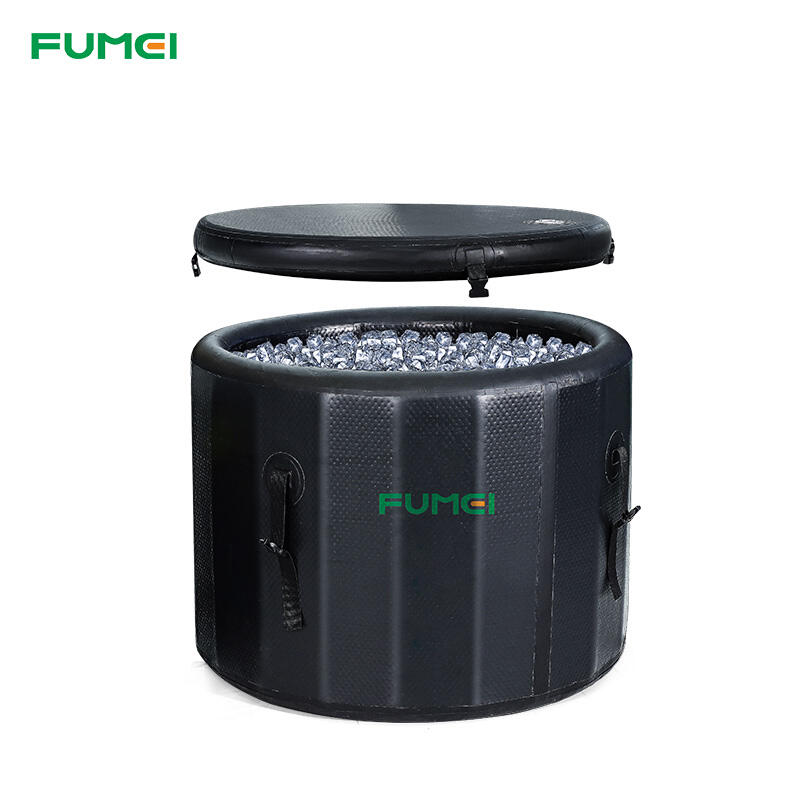
Ice Bath Tub Water Sanitation: Core Principles and Best Practices
Daily Cleaning and Sanitization of Ice Bath Water
Keeping up with daily cleaning really helps stop microbes from growing and keeps things clean overall. After using the tub, be sure to drain it thoroughly to get rid of any organic stuff left behind. Scrub every surface area with gentle tools and those pH neutral cleaners that have been certified by NSF standards. Cold water sitting around can actually start growing bacteria colonies in just two days flat, so getting rid of standing water right away matters a lot for keeping everything disinfected properly. Stay away from strong stuff like bleach since they tend to wear down materials eventually. Instead try going with enzymatic products or just plain old diluted white vinegar works wonders too.
Cold Plunge Water Chemistry (pH, Alkalinity, Sanitizer Levels)
Balanced water chemistry ensures both user safety and sanitizer effectiveness:
- Maintain pH between 7.2–7.8 to minimize skin irritation and optimize chlorine or bromine performance
- Test total alkalinity weekly; keep it within 80–120 ppm to buffer against pH swings
- Sustain free chlorine at 3–5 ppm—about 50% higher than standard pool levels—to compensate for reduced chemical reactivity in cold water
Accurate testing is critical; use cold water-calibrated digital meters or test strips designed for low temperatures, as standard kits may underreport sanitizer levels.
Impact of Cold Temperature on Chemical Effectiveness
Cold water (50°F/10°C) significantly slows sanitizer activity. Research indicates chlorine’s bactericidal capacity drops by 30% at 50°F compared to 77°F. To maintain efficacy:
- Increase sanitizer concentrations by 20–30%
- Use fast-dissolving formulations for quicker dispersion
- Combine primary sanitizers with oxidizers like hydrogen peroxide
These adjustments ensure reliable pathogen control despite reduced reaction kinetics in cold environments.
Sanitizer Options for Ice Bath Tubs: Chlorine, Bromine, and Hydrogen Peroxide
Use of Chlorine, Bromine, and Hydrogen Peroxide in Cold Tubs
Chlorine is still popular because it's cheap and most people know how to handle it, though maintaining the right pH level between 7.2 and 7.6 is absolutely critical if it needs to work properly in cold water situations where concentrations should stay around 1 to 3 parts per million. Bromine stands out as better suited for colder environments since it stays stable longer. It works well at about 3 to 5 ppm range, doesn't smell as bad as chlorine does, and tends to irritate skin less which makes bromine a good choice for folks who spend lots of time in the pool. There's also hydrogen peroxide options available now that combine with UV light systems for those wanting something closer to natural cleaning methods. These setups need careful measurement somewhere between 50 and 100 ppm though. Managing them takes more attention than other chemicals, but there are no leftover chemicals hanging around after treatment, so many competitive swimmers prefer this approach when possible.
Cold Plunge Water Treatment with Non-Chlorine Alternatives
Systems that rely on minerals like silver and copper ions provide a much gentler form of ongoing sanitation. People often notice their eyes and skin feel less irritated when using these methods, with studies showing around 62% improvement over old school approaches. The downside is these systems take time to work properly and usually need some extra treatment once a week to keep microbes under control. Enzyme-based cleaners tackle organic stuff in a biological way, though they won't actually kill off germs directly. When looking for complete protection against bad stuff, mixing hydrogen peroxide with ozone seems to work wonders. Labs have measured this combo knocking out nearly all pathogens at 99.9% effectiveness without needing those strong chemical additives. Many folks who try this mixed approach find their filters last about 30% longer before needing replacement, plus water stays clear throughout. This makes a big difference especially for people with sensitive skin issues or anyone running an indoor pool system where chemical balance matters so much.
Advanced Sterilization: UV and Ozone Systems for Ice Bath Sanitization
UV and Ozone Sterilization Methods for Ice Baths
More and more facilities are turning to UV and ozone systems instead of relying solely on traditional chemical cleaners for water treatment. The UV method works by using specific UVC wavelengths around 253.7 nanometers that basically mess up the DNA structure of microbes, killing off nearly all pathogens according to recent studies from Eiratherapy in their 2024 report. One big plus is that these systems run themselves without needing constant monitoring, don't leave behind any chemical traces, and fit right into busy cold plunge schedules where water turnover happens frequently. On the other hand, ozone treatment involves injecting O3 gas which breaks down contaminants through oxidation processes. However, there's a catch here too since combining ozone with bromine can create harmful bromates in the water supply, so extra filters become necessary to handle this potential issue properly.
| Feature | UV Sanitation | Ozone Sanitation |
|---|---|---|
| Effectiveness | 99.9% pathogen elimination | Requires complementary methods |
| Chemical Impact | None | Produces bromates |
| Maintenance | Annual bulb replacement | Monthly calibration |
| Long-Term Viability | Sustainable | Declining regulatory approval |
Combining Ozone/UV with Traditional Sanitizers
Combining UV technology with traditional chemicals like chlorine or bromine cuts down on chemical use by around 30 to 50 percent, yet still keeps pools safe and clear. What makes this work is how UV actually knocks out those pesky microorganisms, so pool operators can get away with much lower sanitizer levels, somewhere between 1 and 3 parts per million of chlorine. But there's a catch when mixing ozone with bromine. Pool managers need extra filtration after treatment to sweep away any dangerous bromate leftovers that might form. Many pool professionals have found that this multi-pronged approach not only gives better control over microbes but also makes swimmers more comfortable overall. Plus, equipment tends to last longer since it's not constantly battling high chemical concentrations.
Chiller Maintenance and Temperature Regulation in Ice Bath Tubs
Ice Bath Chiller Maintenance and Optimal Performance
Keeping chillers properly maintained means they run better and last longer overall. The condenser coils need cleaning at least once every three months because dirty coils are actually responsible for about a third of all chiller breakdowns in cold therapy equipment. Check the hoses each month for any signs of cracking or leaking spots, and get those replaced right away when problems show up. Water levels should stay within what the manufacturer recommends. When there's not enough water, the compressor gets overworked. Too much water on the other hand just messes with normal circulation patterns. Filters are another important part of regular maintenance. Most facilities find that changing filters every four to six weeks works best. Clogged filters make the chiller work significantly harder than normal, which wears things out faster and ends up costing more money on electricity bills.
Role of Chillers in Water Circulation and Filtration
Water chillers work by moving water through built-in pumps which helps keep things cool evenly while pushing debris towards the filters. The way these systems operate actually keeps temperatures stable for treatment purposes and makes sure the water stays clear to look at. For best results, most technicians recommend combining chillers with cartridge filters that can catch particles down to around 20 microns in size without slowing down the water flow too much. Many newer chiller units come equipped with variable speed pumps nowadays. These smart components automatically change their speed depending on what the temperature sensors detect, which means better energy savings and faster reactions when conditions change unexpectedly.
Monitoring and Troubleshooting Temperature Fluctuations
Install redundant digital thermometers at opposite ends of the tub to verify temperature accuracy within ±1°F. Fluctuations beyond this range may indicate:
- Mineral buildup on heat exchanger surfaces (treat annually with citric acid solution)
- Failing compressor valves (signaled by irregular clicking noises)
- Imbalanced water chemistry (high pH reduces thermal transfer efficiency)
Conduct weekly pressure tests on refrigerant lines, as leaks can cause temperature swings exceeding 5°F/hour in the 40–50°F operating range. Address issues promptly—studies show unstable temperatures can reduce cryotherapy effectiveness by up to 60%.
Filtration System Care and Routine Maintenance Schedules
Effective ice bath maintenance hinges on consistent filtration care and proactive water quality management to prevent contamination and prolong equipment life.
Filter Replacement and Filtration System Care
Replace cartridge filters every 90–120 days, or sooner if pressure gauges rise 8–10 PSI above baseline—a clear sign of clogging. Always power off the system before removing filter housings. During reassembly, lubricate O-rings with FDA-approved silicone grease to ensure watertight seals and prevent premature wear.
Deep Cleaning Procedures for Ice Bath Tubs
Perform a full system flush monthly:
- Drain the tub completely and clean all interior surfaces with a non-abrasive, NSF-certified cleaner
- Backwash filter media for 15 minutes to release trapped debris
- Soak removable components in a citric acid solution (4 oz per gallon) for 30 minutes
- Rinse thoroughly before reassembling and refilling
This process removes biofilm, mineral deposits, and organic residue that routine cleaning may miss.
Water Testing Frequency and Quality Assurance Methods
Test key parameters three times per week using calibrated digital meters:
| Parameter | Ideal Range | Correction Threshold |
|---|---|---|
| pH | 7.2–7.8 | ±0.3 |
| Oxidation Reduction Potential (ORP) | 650–750 mV | ±50 mV |
| Total Dissolved Solids (TDS) | <1,500 ppm | +300 ppm |
If readings exceed thresholds, shock-treat with 10–15 ppm chlorine, allow four hours of circulation, then retest. Immediate correction preserves water quality and ensures safe, effective plunges.
FAQ
Why is daily cleaning of ice bath tubs necessary?
Daily cleaning is crucial to prevent microbial growth and ensure sanitation. This is especially important as cold water can harbor bacteria quickly if standing water is left unchecked.
How does cold temperature affect sanitizer activity in ice baths?
Cold temperatures significantly slow down the activity of sanitizers. For example, chlorine's bactericidal capacity drops by about 30% at 50°F compared to warmer conditions, requiring adjustments in sanitizer concentration and combinations with other chemicals.
Are non-chlorine alternatives effective for ice bath sanitation?
Non-chlorine alternatives like silver and copper ions, enzyme-based cleaners, and hydrogen peroxide with ozone are effective and preferred by individuals with sensitive skin due to reduced irritation. They often require additional treatment for optimal performance.
How does UV sanitation differ from ozone sanitation in ice baths?
UV sanitation uses UVC wavelengths to disrupt microbial DNA, leading to pathogen elimination without chemical residues. Ozone sanitation oxidizes contaminants but may produce bromates when combined with bromine, needing extra filtration.
What maintenance is required for ice bath chillers?
Chillers require regular maintenance involving cleaning of condenser coils every three months, checking hoses monthly for leaks, maintaining proper water levels, and changing filters every four to six weeks for optimal performance.
Table of Contents
- Ice Bath Tub Water Sanitation: Core Principles and Best Practices
- Sanitizer Options for Ice Bath Tubs: Chlorine, Bromine, and Hydrogen Peroxide
- Advanced Sterilization: UV and Ozone Systems for Ice Bath Sanitization
- Chiller Maintenance and Temperature Regulation in Ice Bath Tubs
- Filtration System Care and Routine Maintenance Schedules
- FAQ