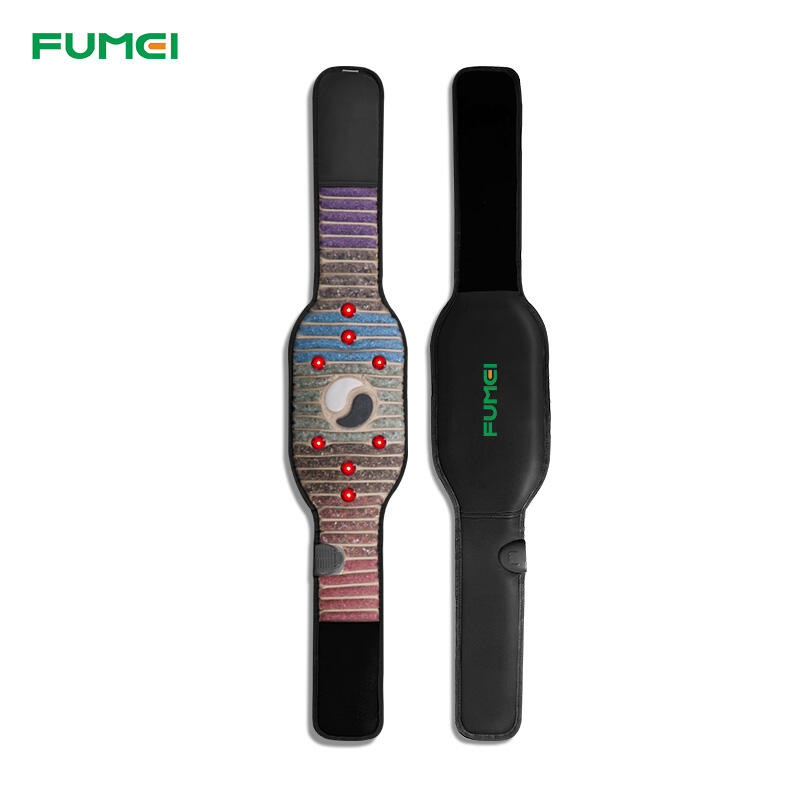
Accept customer customization
Tech-Powered Source Factory

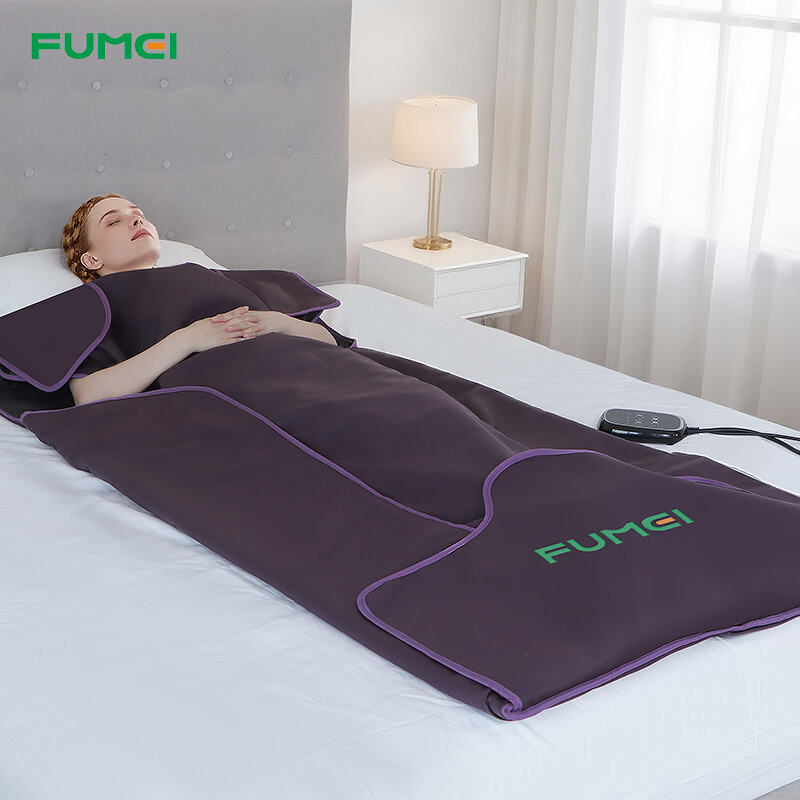
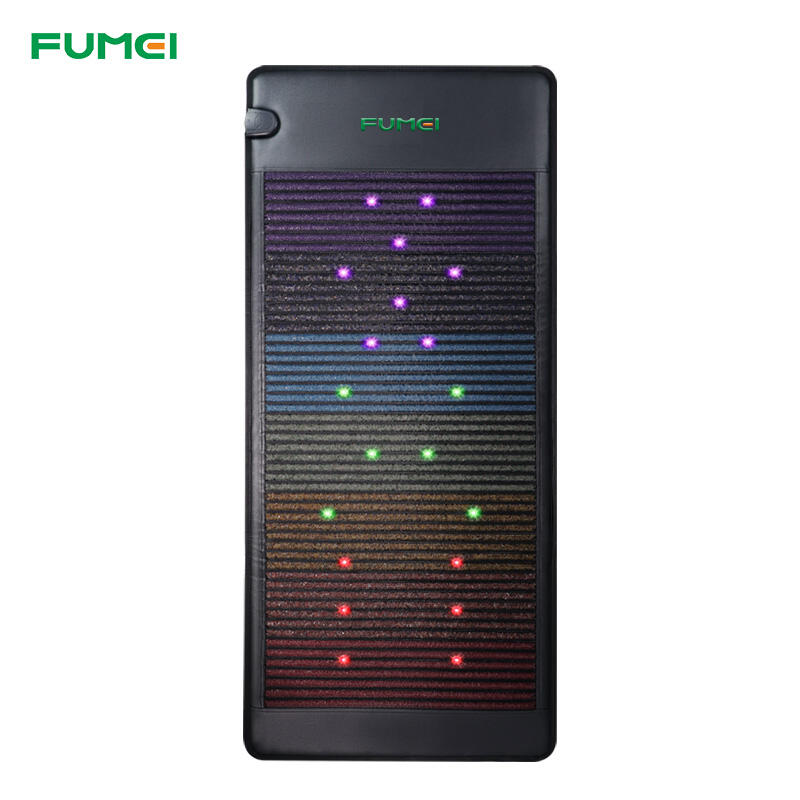
The infrared PEMF mat brings together three different but related technologies: pulsed electromagnetic field therapy, far infrared heating, and red light treatment. The PEMF part works by sending low frequency electromagnetic waves through the body which helps cells repair themselves and keeps metabolism running smoothly. Far infrared heat goes deep into tissues around 3 inches below the surface, improving blood flow and helping flush out toxins from the body. Meanwhile, those red lights in the 630 to 850 nanometer range actually help build collagen and give mitochondria a boost in producing energy. When all these components work together, they seem to have this combined effect that revitalizes the entire body down at the cell level, something many users report feeling after regular sessions on the mat.
When used in combination, these therapies enhance outcomes across four primary domains:
There's solid research backing the benefits of both PEMF therapy and infrared exposure for health. Looking at some studies from 2018 published in Pain Research & Management, around 7 out of 10 people suffering from chronic pain found they needed fewer pain medications after going through eight weeks of PEMF treatment. Meanwhile another piece of research came out in 2023 in the Journal of Biophotonics which found something interesting too. When exposed to far infrared radiation, the body actually produces about 40% more nitric oxide, which helps blood vessels function better and improves how well tissues get oxygenated. Some pretty compelling results came from a study done in 2022 where adults who were dealing with stress spent just half an hour each day on these special infrared PEMF mats saw their sleep quality jump by nearly 60%. These kinds of findings really support why many healthcare professionals are starting to incorporate these modalities into their holistic treatment approaches.
Clinical guidelines generally suggest keeping sessions around 10 to 20 minutes long when starting out, with most people finding that using it 3 to 5 times each week works best for them. How long someone needs to use the device depends on its power level too. The measurement here is in milliwatts per square centimeter, so devices with more power can often deliver comparable effects in shorter periods. Here's a quick reference guide organized according to typical health goals:
| Therapy Target | Session Duration | Weekly Frequency | Key Considerations |
|---|---|---|---|
| Muscle Recovery & Joint Pain | 15-20 minutes | 3-5 | Use higher intensity for acute issues |
| Skin Rejuvenation | 15-18 minutes | 5-7 (first 2 weeks) | Transition to 3x/week maintenance |
| Chronic Stress Reduction | 10-15 minutes | 4-5 | Prefer morning or afternoon use |
The effectiveness of PEMF therapy actually works like a seesaw effect: short sessions lasting less than 5 minutes typically don't produce any noticeable changes in the body, but going too far the other way can be problematic too. When treatments stretch past 30 minutes straight, there's some evidence that mitochondria might actually work less efficiently for a time afterward. Looking at research from 2023 that combined results across 47 different studies, most people saw best results when they stuck around the 12 to 18 minute mark. The benefits start dropping off pretty quickly after that point too, losing about 18 percent effectiveness for each extra 5 minutes added once we hit 25 minutes. For safety reasons, it makes sense to space out longer sessions rather than doing them back to back. Thermal buildup from both the PEMF waves and whatever infrared components are involved could cause problems if someone pushes past safe exposure levels without taking breaks in between.
For day to day upkeep, shorter sessions lasting around 10 to 15 minutes work pretty well. When dealing with specific muscle or joint issues though, going for about 20 minutes tends to be more helpful. The thing is, sticking with regular practice matters more over time than how long each session actually is. Some research looked at this over 12 weeks and found something interesting: people who did five short 10 minute sessions weekly saw their sleep quality improve by nearly 23% compared to those doing three longer 20 minute ones. Keep in mind what the makers recommend regarding distance from the mat surface, usually somewhere between 6 and 12 inches away. Getting too close can boost the power output quite a bit, which might cut down on needed treatment time by almost half according to some estimates.
For athletes, post-workout infrared PEMF sessions enhance muscle repair through increased blood flow and reduced inflammation. Research indicates 20-30 minute sessions at medium intensity improve recovery rates by 18% compared to passive rest (Sports Medicine Review, 2023). During intense training phases, aim for 4-5 sessions weekly, tapering to 2-3 for ongoing maintenance.
Daily 15-minute exposures targeting facial or joint areas stimulate fibroblast activity via infrared thermal effects, promoting collagen synthesis. Clinical trials using combined red light and PEMF report a 22% improvement in skin elasticity over 12 weeks. To preserve hydration, avoid high heat settings above 120°F.
People who struggle falling asleep often find that evening PEMF therapy helps them wind down better. Sessions around 30 to 45 minutes long using those lower frequency settings between 1 and 10 Hz seem to line up with our body's natural rhythms while boosting melatonin levels by about 37%, according to research from the Sleep Health Foundation back in 2023. Most folks notice real differences when they stick with this routine five times a week over the course of three weeks or so. The improvements typically show up as better quality sleep overall plus increased ability to handle stress during waking hours.
| Goal | Session Length | PEMF Frequency | Heat Range | Optimal Weekly Use |
|---|---|---|---|---|
| Muscle Recovery | 20-30 mins | 15-30 Hz | 100-115°F | 4-5 sessions |
| Skin Health | 10-15 mins | 5-10 Hz | 95-105°F | 6-7 sessions |
| Sleep Optimization | 30-45 mins | 1-10 Hz | 90-100°F | 5-7 sessions |
Adjust protocols every 6-8 weeks to avoid adaptation plateaus. Hydrate before and after sessions exceeding 20 minutes to support metabolic clearance.
Anyone with implanted medical gear or long term health issues like heart problems should definitely talk to their doctor first before starting any kind of therapy. When getting started, try keeping sessions short around 15 to 20 minutes and start at a gentle intensity level below 10 Hz so the body can adjust properly. Make sure the mat sits on something level and steady ground, and watch out for tangled wires or metal stuff lying around since those can cause problems. Most devices work fine within a temperature range of roughly 100 to 140 degrees Fahrenheit, but nobody knows your equipment better than the people who made it, so check what they recommend specifically for safety reasons.
| Precaution | Recommendation |
|---|---|
| Pregnancy or pacemakers | Avoid use without medical clearance |
| Post-surgery recovery | Wait 6-8 weeks before resuming sessions |
| Skin sensitivity | Use a thin cotton sheet between skin and mat to minimize irritation |
Studies from the Journal of Biophysical Research back in 2021 found that infrared PEMF therapy can boost metabolism around 12%. For best results, it's recommended to drink somewhere between 8 to 12 ounces of water rich in electrolytes about ten minutes prior to starting a session, which helps with both detox processes and keeping fluids balanced throughout the body. When positioning on the mat, make sure the spine lines up properly with those main therapeutic areas on the device. Some folks find it really helpful to have a small cervical pillow handy for extra neck support if needed. The ideal environment would be a room kept at roughly 68 to 72 degrees Fahrenheit. Also worth noting is reducing any electronic interference - turning off nearby Wi-Fi signals or putting phones away seems to make a noticeable difference in effectiveness during treatment sessions.
Too much time on the mat is probably the biggest mistake beginners make. Around 43% end up going past 45 minutes even though studies indicate results start dropping off after just 30. Don't forget to warm up first either. Jumping straight into high frequency settings often leads to dizzy spells. Wait at least an hour after eating something heavy or having drinks before using it since digestion and alcohol affect blood flow. And remember to turn it off fully when done not only helps the device last longer but also cuts down on any chance of getting too hot during storage.
Habit formation research shows it takes an average of 66 days for wellness behaviors to become automatic (Behavioral Science Institute, 2022). To build lasting integration:
A 2023 clinical trial found users who completed at least 4 sessions per week for 90 days reported 72% better pain control and 58% faster workout recovery compared to inconsistent users. Many modern PEMF mats include digital trackers that automatically record session data and biometrics, offering personalized feedback for optimization.
| Signal | Adjustment Strategy |
|---|---|
| Morning stiffness | Add a 10-minute evening session |
| Post-session fatigue | Reduce intensity by 20% |
| Plateaued results | Alternate heat and no-heat days |
The therapeutic window typically involves 3-5 weekly sessions of 20-40 minutes. Those managing chronic conditions may start with daily 45-minute sessions, gradually reducing frequency as biomarkers stabilize.
Maximize outcomes through integrated lifestyle practices:
A 12-week pilot study demonstrated 2.7x greater mobility improvements when participants combined twice-weekly PEMF therapy with resistance training and anti-inflammatory diets versus PEMF alone.
An Infrared PEMF mat utilizes pulsed electromagnetic fields, infrared heat, and red light therapy to enhance cellular function, improve blood circulation, and boost energy production at a cellular level.
For general wellness, using the mat 3 to 5 times a week with sessions lasting between 10 to 20 minutes is recommended. However, frequency can be adjusted based on specific health goals and intensity levels.
Individuals with medical implants or chronic conditions should consult a healthcare professional before use. Sessions should start at a gentle intensity and proper hydration is encouraged before and after use.
Yes, evening sessions using lower frequency settings between 1 and 10 Hz can align with the body's natural rhythms and improve sleep quality by boosting melatonin levels.
PEMF therapy can modulate inflammatory cytokines, aid in reducing swelling, and work alongside infrared heat to relax muscles, making it effective for pain relief.
 EN
EN