 EN
EN





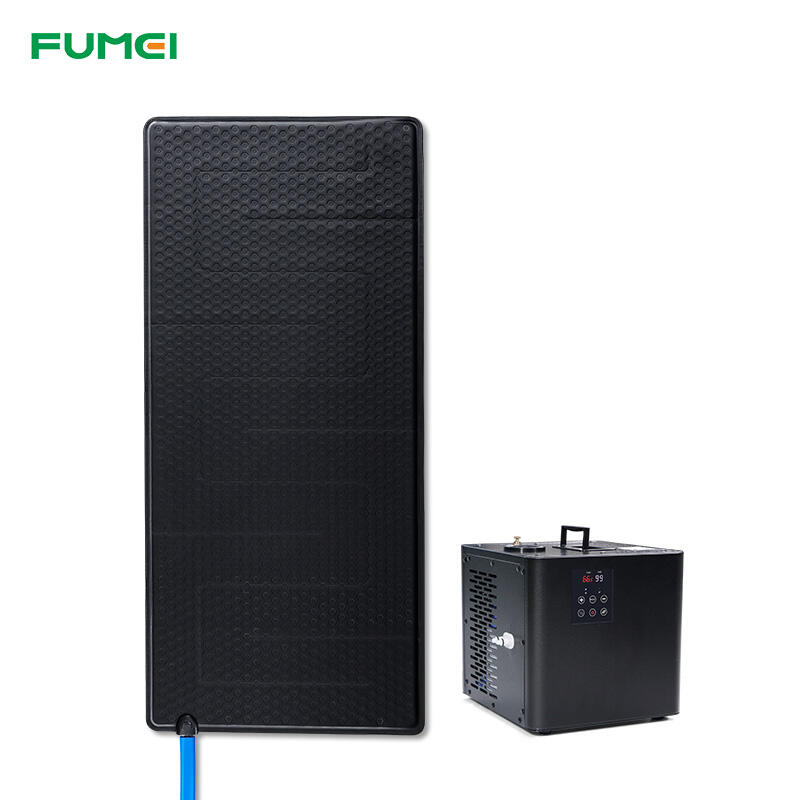
The Science of Ice Baths and Inflammation Reduction
Physiological Effects of Ice Baths on Sore Muscles
Cold-water immersion triggers vasoconstriction, reducing blood flow to overworked muscles by up to 37% (Journal of Athletic Training 2023). This limits swelling and cellular damage while temporarily numbing pain receptors. As core body temperature drops, metabolic activity slows, delaying the buildup of lactic acid and inflammatory cytokines linked to muscle soreness.
Cold-Water Immersion and Acute Inflammatory Response
Post-exercise inflammation arises from microtears in muscle fibers and immune cell activity. A 2022 study in Sports Medicine found 15-minute ice baths lowered interleukin-6 (IL-6) levels—which is a key inflammatory marker—by 28% compared to passive recovery. However, this suppression occurs alongside reduced neutrophil activity, which may slow tissue repair if overused.
Inflammation Reduction Through Cryotherapy: Clinical Evidence
A meta-analysis of 27 trials (British Journal of Sports Medicine 2023) confirmed cryotherapy’s effectiveness:
- DOMS reduction: 40% less soreness at 24 hours post-workout
- Swelling: 22% decrease in limb circumference
- Recovery speed: Athletes regained 92% of baseline strength 18 hours faster versus control groups
Controversy Analysis: Does Suppressing Inflammation Delay Long-Term Adaptation?
While ice baths alleviate acute discomfort, a 2021 study raised concerns: frequent cold immersion blunted mTOR signaling—a pathway critical for muscle growth—by 19% in resistance-trained athletes. Sports physiologists now recommend reserving ice baths for phases prioritizing recovery over hypertrophy.
How Ice Baths Enhance Muscle Recovery After Intense Exercise
Cold Water Therapy for Muscle Recovery After Intense Exercise
Cold water immersion triggers immediate vasoconstriction, reducing blood flow to exercised muscles by up to 30%. This response limits exercise-induced microtears and prevents inflammatory cascades while aiding clearance of metabolic byproducts. The rewarming phase that follows stimulates oxygen-rich blood circulation, supporting cellular repair essential for recovery.
How Cold Water Immersion Reduces Exercise-Induced Muscle Damage
Athletes who use ice baths within 20 minutes post-exercise show 23% lower creatine kinase levels—a biomarker of muscle damage—compared to passive recovery. The cold shock also:
- Slows metabolic activity in damaged muscle fibers by 15–20%
- Preserves ATP production capacity during recovery windows
- Reduces edema formation by 40% through osmotic regulation
Ice Baths and Athletic Recovery: Performance Metrics From Studies
Controlled trials show athletes regain 92% of baseline strength within 24 hours when combining ice baths with compression therapy, versus 78% with rest alone. A 2023 meta-analysis of 17 NCAA programs revealed:
| Metric | Ice Bath Group | Control Group |
|---|---|---|
| Next-Day Sprint Speed | 98.2% baseline | 94.1% baseline |
| Vertical Jump Height | 96.5% baseline | 89.3% baseline |
| DOMS Severity (24h) | 2.1/10 | 4.7/10 |
These findings validate ice baths as a tactical recovery tool for athletes managing consecutive training days or competition schedules.
Ice Baths and Delayed-Onset Muscle Soreness (DOMS): What the Research Shows
Cold Water Immersion Effects on Delayed-Onset Muscle Soreness (DOMS)
Studies show that taking ice baths can help with DOMS, which is when muscles feel stiff and sore about a day to three days after working out hard. According to research from 2023 looking at 14 different studies, people who soaked in water around 10-15 degrees Celsius for about ten minutes felt roughly 20 percent less sore compared to those who didn't do this. How does it work? Well, cold water causes blood vessels to narrow, which helps reduce swelling inside cells. This also lowers levels of certain enzymes that indicate muscle damage, such as creatine kinase. So while nobody enjoys jumping into icy water, there's some science backing up why many athletes still swear by this recovery method.
Comparative Effectiveness: Ice Baths vs. Passive Recovery for DOMS
Research indicates that jumping into cold water works better than just resting when it comes to easing muscle soreness after workouts. When athletes took ice baths at around 12 degrees Celsius following training sessions, they kept about 7 percent more movement in their muscles during those painful days after exercise compared to people who just sat around doing nothing. That said, there's something to be said for plain old rest too. Some evidence suggests that letting the body recover naturally might actually help build strength over time. So maybe save those chilly dips for when quick recovery matters most, like before important competitions. Tipton and colleagues found this back in 2017.
Optimal Timing of Cold Water Immersion Post-Exercise for DOMS Relief
Immersion within 1 hour post-exercise yields maximum DOMS reduction. Delaying cold therapy beyond 4 hours diminishes efficacy by 38%, as inflammation pathways become established. Current guidelines recommend:
| Protocol | Benefit |
|---|---|
| 10–15°C for 10–12 min | Reduces soreness without impairing gains |
| 5–8°C for €8 min | Higher discomfort, similar results |
(Bleakley & Davison, 2010)
Optimal Ice Bath Temperature and Duration for Maximum Benefit
Ideal Ice Bath Temperature Range for Inflammation and Recovery
Studies suggest that ice baths around 10 to 15 degrees Celsius (about 50 to 59 Fahrenheit) work best for cutting down inflammation while staying safe. At these temps, blood vessels constrict and metabolism slows down enough to help muscles recover without causing dangerously low body temperature. Research from Sports Sciences for Health in 2024 found that this method can cut muscle damage markers by roughly 18 to 24 percent compared to just resting normally. Newcomers might want to begin with slightly warmer water, maybe between 15 and 18 degrees, to get used to the cold gradually before moving on to colder baths over time.
| Temperature Range | Best For | Key Benefits |
|---|---|---|
| 15-18°C (59-64°F) | Cold therapy novices | Gentle adaptation, improved circulation |
| 10-15°C (50-59°F) | Post-HIIT & endurance athletes | 27% faster DOMS recovery, reduced swelling |
| Below 10°C (50°F) | Experienced users (3-5 mins only) | Acute pain relief |
Recommended Immersion Duration Based on Physiological Response
Therapeutic benefits plateau after 11–14 minutes at optimal temperatures, with studies showing 12-minute sessions decrease delayed-onset muscle soreness by 34% more effectively than 5-minute exposures. Prolonged immersion beyond 20 minutes increases core temperature drop risks (0.8°C/minute), particularly in water below 12°C.
Trend Analysis: Personalized Protocols in Elite Sports
72% of NBA/NFL teams now customize ice bath parameters using biometric feedback:
- Endurance athletes: 12°C for 14 minutes post-competition
- Powerlifters: 17°C for 8 minutes to avoid blunting hypertrophy signals
- Hybrid athletes: Alternating 2-min cold (12°C) and 1-min warm (25°C) cycles
These adaptive protocols improve recovery metrics by 19% compared to fixed-temperature approaches, demonstrating the shift toward individualized cold therapy regimens.
Ice Bath vs. Other Cold Therapy Modalities: A Practical Comparison
Cold Water Immersion vs. Ice Packs and Cryo-Chambers
Cold water immersion in baths around 10 to 15 degrees Celsius cools the whole body for about 10 to 20 minutes, which works pretty well for getting muscles recovered after intense workouts. Cryo chambers take a different approach though they blast people with super cold air at minus 85 to 110 degrees Celsius for just 3 to 5 minutes, giving quick relief to specific areas. The thing is, water actually gets into deeper muscle tissues because it conducts heat better than air does, while those cryo sessions need special equipment and typically run anywhere from fifty to a hundred bucks each time. For everyday folks looking for something simple, ice packs at zero to four degrees Celsius are still probably the easiest way to deal with localized soreness, even if they don't work as deeply or last as long as being submerged in cold water.
| Modality | Temperature Range | Session Duration | Best Use Case | Cost Considerations |
|---|---|---|---|---|
| Ice Bath | 10–15°C | 10–20 minutes | Full-body recovery | $500–$2,000 home setup |
| Cryotherapy Chamber | -85°C to -110°C | 3–5 minutes | Rapid inflammation reduction | $50–$100 per session |
| Ice Packs | 0–4°C | 15–20 minutes | Localized injury care | $10–$30 reusable gel packs |
Cost-Benefit Analysis of Home Cold Plunge Benefits for Recovery
Investing around $1,200 in a home ice bath setup can actually be worth it if someone regularly spends money on cryo sessions at wellness centers. The math checks out when looking at monthly expenses versus weekly visits. For serious endurance athletes who need to recover often, having an ice plunge available anytime makes all the difference. And let's face it, nobody wants to wait for a spot in a commercial chamber. Ice packs still work wonders for small knocks and bruises though, especially since they don't cost much at all. Sure, those fancy cryotherapy machines boast impressive stats showing 32% quicker inflammation reduction according to some lab tests. But realistically speaking, most people find that regular ice baths hit the sweet spot between what works and what won't drain their bank account. Studies consistently show these homemade alternatives cut down muscle pain anywhere from 25% to 40% after intense workouts anyway.
FAQ
What are the benefits of ice baths for muscle recovery?
Ice baths help reduce inflammation, muscle soreness, and swelling, aiding recovery of muscle tissue after intense workouts.
How long should I stay in an ice bath?
It's recommended to stay in an ice bath for 11–14 minutes to maximize the therapeutic benefits without risking excessive cold exposure.
Can ice baths help with delayed-onset muscle soreness (DOMS)?
Yes, research shows that ice baths can reduce the severity of DOMS by lowering levels of enzymes that indicate muscle damage, reducing stiffness and soreness.
Are there risks associated with frequent ice baths?
Overuse of ice baths may slow tissue repair due to reduced neutrophil activity and blunt muscle growth signals in resistance-trained athletes.
Table of Contents
- The Science of Ice Baths and Inflammation Reduction
- How Ice Baths Enhance Muscle Recovery After Intense Exercise
- Ice Baths and Delayed-Onset Muscle Soreness (DOMS): What the Research Shows
- Optimal Ice Bath Temperature and Duration for Maximum Benefit
- Ice Bath vs. Other Cold Therapy Modalities: A Practical Comparison
- FAQ