 EN
EN





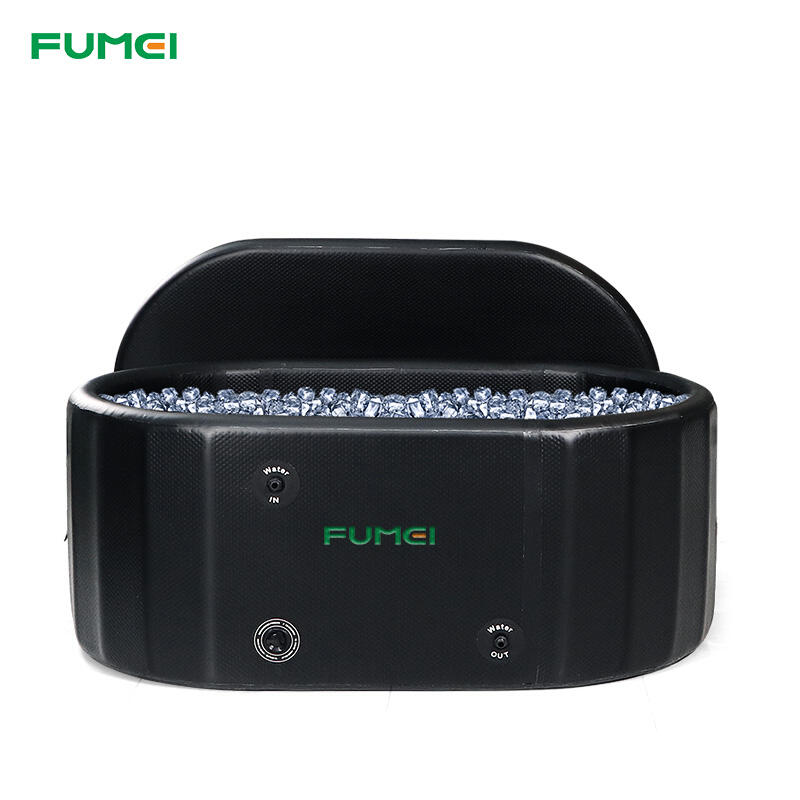
Understanding the Ice Bath Tub and Its Safety Principles
What Is an Ice Bath Tub and How It Supports Cold Therapy
Ice bath tubs are basically containers filled with cold water, usually kept between 10 to 15 degrees Celsius or around 50 to 60 Fahrenheit. These tubs work by using controlled cold exposure to help muscles recover faster, cut down on inflammation, and get blood flowing better throughout the body. Many athletes and people who care about their health jump into these baths after working out to deal with that soreness that hits a day or two later. Research from Sports Medicine Review in 2023 found folks who regularly used ice baths saw nearly 40% fewer signs of inflammation in their bodies.
The Science Behind Cold Exposure: Benefits and Physiological Responses
When someone gets exposed to cold, their blood vessels tend to narrow down, sending more blood towards important organs while slowing things down in the limbs. This actually helps reduce swelling in tissues and stops cells from breaking down so much, plus it gets those feel-good endorphins flowing. A study published in the Journal of Physiology back in 2022 looked at people taking 12 minute ice baths and found something interesting: muscle soreness dropped around 30%, and most folks (about 78%) recovered faster after workouts. Some researchers think if this becomes a regular habit, it might even build up mental toughness over time through what they call hormesis, which basically means our bodies get better at handling small stresses when we expose them to them regularly.
Key Safety Principles for Using an Ice Bath Tub at Home
| Safety Factor | Guideline |
|---|---|
| Temperature Range | 10–15°C (50–59°F) for therapeutic benefits without hypothermia risks |
| Session Duration | 5–15 minutes, depending on cold tolerance and experience level |
| Health Precautions | Avoid immersion with open wounds, cardiovascular issues, or pregnancy |
| Post-Session Care | Warm gradually with layers; avoid hot showers for 20+ minutes |
Always measure water temperature with a calibrated thermometer and limit initial sessions to 5 minutes. Consult a healthcare provider before starting cold therapy if you have hypertension, Raynaud’s syndrome, or respiratory conditions.
Essential Equipment: Ice Bath Tub, Thermometer, Timer, and Towels
A safe ice bath setup requires four foundational tools:
- Durable tub: Select a model designed for cold immersion, with non-slip surfaces and weight capacity exceeding 300 lbs.
- Waterproof thermometer: Monitors temperatures within the ideal 10–15°C range.
- Interval timer: Aligns sessions with safe duration limits (5–15 minutes).
- Absorbent towels: Facilitate quick drying to prevent post-exposure chills.
Choosing a Safe and Accessible Location with Stable Flooring
When setting up an ice bath tub, make sure it sits on flooring that can handle at least 1,000 pounds once the tub is full of water. For outdoor placements, find a spot where the ground is flat and there's proper drainage nearby. Indoors? Keep it close to those GFCI outlets to stay safe from electrical problems. Give yourself plenty of room too – aim for about three feet all around so getting in and out doesn't become a struggle. Watch out for corners with sharp edges or anything else that might cause someone to trip near the tub location.
Using High-Quality Ice Bath Equipment for Consistent and Safe Cooling
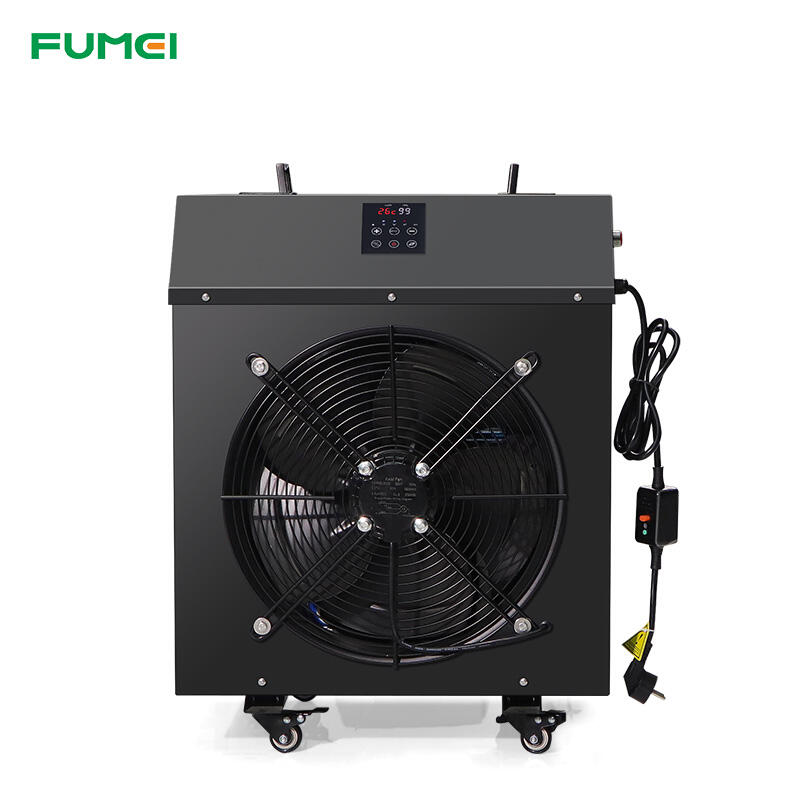
Commercial-grade chillers and insulated tubs reduce ice consumption by 40% compared to DIY setups while maintaining stable temperatures. Prioritize FDA-compliant materials that resist cracking in freezing conditions, and avoid repurposed containers not rated for prolonged cold exposure. Integrated filtration systems further enhance safety by inhibiting bacterial growth between sessions.
Optimal Temperature and Duration Guidelines for Safe Ice Bath Sessions
Recommended Ice Bath Temperature (10–15°C) and Accurate Measurement
Maintaining water between 10°C and 15°C (50–59°F) balances therapeutic benefits and safety. This range reduces inflammation effectively while minimizing hypothermia risk compared to colder extremes. Use a waterproof digital thermometer to verify temperatures, as estimates based on ice quantity often lead to dangerous inaccuracies.
| Temperature Range | Safe Duration | Best For |
|---|---|---|
| 10–15°C (50–59°F) | 10–15 minutes | Experienced users |
| 15–18°C (59–64°F) | 5–10 minutes | Beginners acclimating |
Safe Session Length: 5–15 Minutes Based on Experience Level
Duration matters as much as temperature: exceeding 15 minutes in sub-15°C water triples hypothermia risk (Journal of Sports Medicine, 2023). Start with 5-minute sessions if new to cold therapy, increasing by 1–2 minutes weekly. Never surpass 20 minutes—prolonged exposure strains the cardiovascular system without enhancing recovery.
Gradually Progressing from Warmer Temperatures and Shorter Durations
Begin at 15–18°C for 5 minutes, allowing your nervous system to adapt. Over 4–6 weeks, decrease temperatures by 1°C weekly while extending sessions by 1–2 minutes. This phased approach—endorsed by recent cold therapy guidelines—reduces shock risks while building cold tolerance sustainably. Track progress with a journal to avoid overexertion.
Step-by-Step Guide to Taking and Recovering from an Ice Bath Safely
Pre-Session Prep: Hydration and Light Warm-Up
Begin with hydration: drink 16–24 oz of water 30 minutes before your session to support circulation and reduce cramping. A light dynamic warm-up—like arm circles or bodyweight squats—prepares muscles and joints for cold exposure while boosting blood flow.
Safe Entry Technique: Gradual Immersion to Reduce Shock
Lower yourself into the tub slowly, starting with your feet and legs. Submerge your torso only after 15–30 seconds to let your nervous system adapt. This phased approach minimizes cold shock responses, which can spike heart rate by 20–30% in inexperienced users (American Heart Association 2022).
Monitoring Your Body During the Ice Bath: Recognizing Warning Signs
Watch for blue-tinged skin, uncontrollable shivering, or numbness—these signal hypothermia risk. Exit immediately if you experience dizziness, blurred vision, or chest discomfort. Studies show 89% of cold exposure injuries occur when users ignore early warning signs (Wilderness Medical Society 2023).
Post-Ice Bath Recovery: Natural Warming, Hydration, and Gentle Movement
Wrap yourself in a dry towel and layer with loose clothing to restore warmth gradually. Light movement like walking or stretching enhances circulation without stressing the cardiovascular system, as shown in a 2023 clinical review. Replenish fluids with electrolyte-rich drinks to offset dehydration.
Avoiding Rapid Temperature Shifts to Maintain Cardiovascular Stability
Skip hot showers or saunas for 60 minutes post-session. Sudden temperature swings can strain blood vessels, increasing arrhythmia risks by 18% in adults over 40 (European Journal of Preventive Cardiology 2021). Let your body normalize its core temperature naturally.
Recognising Risks, Contraindications, and When to Consult a Doctor
Potential Risks of Cold Exposure: Hypothermia, Frostbite, and Arrhythmias
There are definite dangers associated with cold immersion therapy, even among people who consider themselves healthy. When someone stays submerged in water under 10 degrees Celsius for too long, they face serious hypothermia risks where body temperature drops below 35 degrees Celsius. The warning signs include uncontrollable shaking, mental confusion, and difficulty speaking clearly, all of which should signal an immediate stop to the treatment. Extremities such as fingers and toes are especially vulnerable to frostbite development in very cold conditions. Sometimes this happens within just a few minutes when water gets close to freezing point. Heart health concerns cannot be ignored either. A sudden plunge into cold water causes heart rates to jump anywhere from 30 to 40 percent according to research published in European Journal of Applied Physiology back in 2022. This dramatic increase might worsen existing heart rhythm problems or high blood pressure issues that haven't been diagnosed yet.
Who Should Avoid Ice Baths: Medical Conditions and Risk Factors
People who have heart problems, Raynaud's disease, or aren't managing their diabetes well really need to stay away from cold water immersion completely. For pregnant women, there's an increased chance of miscarriage because cold temperatures can cause blood vessels to narrow. And anyone coming back from surgery or dealing with fresh injuries might find their recovery takes longer if they get too cold. Those taking certain meds such as beta blockers or blood thinners are also at greater risk for getting dangerously cold or having issues with circulation when exposed to cold water.
When to Consult a Doctor Before Starting Ice Bath Therapy
Consult a physician if you:
- Have a history of heart disease, seizures, or respiratory disorders
- Experience numbness or tingling during cold exposure
- Plan to combine ice baths with intense athletic training Medical guidance is non-negotiable for anyone with multiple risk factors—a cardiac stress test and blood pressure evaluation can determine safe cold exposure thresholds.
FAQs
What are the benefits of using an ice bath tub?
Ice baths help in muscle recovery, reduce inflammation, improve blood circulation, relieve delayed onset muscle soreness, and may enhance mental toughness due to repeated cold exposure.
Is it safe to use an ice bath tub at home?
Yes, it is safe if proper safety principles are followed: keeping the temperature between 10-15°C (50-59°F), limiting session duration to 5-15 minutes, and avoiding immersion if you have open wounds, cardiovascular issues, or are pregnant.
What should I do before and after an ice bath session?
Before the session, hydrate and do a light warm-up. After, warm yourself gradually with a towel and layers, maintain gentle movement to promote circulation and avoid sudden temperature shifts like hot showers for at least 60 minutes.
Who should avoid ice baths altogether?
Individuals with heart problems, Raynaud's disease, poorly managed diabetes, pregnant women, and those recovering from surgery or on certain medications should consider avoiding ice baths.
When should I consult a doctor about using an ice bath?
Consult a doctor if you have a history of heart disease, seizures, or respiratory disorders, or if you plan to pair ice baths with intense athletic training for a medical evaluation of safe cold exposure thresholds.
Table of Contents
- Understanding the Ice Bath Tub and Its Safety Principles
- Essential Equipment: Ice Bath Tub, Thermometer, Timer, and Towels
- Choosing a Safe and Accessible Location with Stable Flooring
- Using High-Quality Ice Bath Equipment for Consistent and Safe Cooling
- Optimal Temperature and Duration Guidelines for Safe Ice Bath Sessions
-
Step-by-Step Guide to Taking and Recovering from an Ice Bath Safely
- Pre-Session Prep: Hydration and Light Warm-Up
- Safe Entry Technique: Gradual Immersion to Reduce Shock
- Monitoring Your Body During the Ice Bath: Recognizing Warning Signs
- Post-Ice Bath Recovery: Natural Warming, Hydration, and Gentle Movement
- Avoiding Rapid Temperature Shifts to Maintain Cardiovascular Stability
- Recognising Risks, Contraindications, and When to Consult a Doctor
- FAQs