 EN
EN






Why EMS Belt Workouts Require a Tailored Nutrition Plan
How EMS Belt Stimulation Alters Muscle Metabolism and Recovery Needs
Electrical Muscle Stimulation (EMS) belts trigger intense, simultaneous contractions in up to 90% of muscle fibers—far exceeding voluntary activation during traditional training. This deep neuromuscular engagement accelerates glycogen depletion and increases metabolic stress by 18% compared to conventional workouts (Sports Medicine 2023). Consequently, muscles require 40% more protein within 30 minutes post-session to repair micro-tears and support mitochondrial biogenesis. Without targeted nutrition, users risk prolonged inflammation and suboptimal adaptation despite EMS belt efficacy.
The Pitfall of Applying Conventional Fitness Diets to EMS Belt Training
Generic high-protein or ketogenic diets fail EMS belt users by misaligning nutrient timing and ratios. Standard protocols overlook three critical gaps:
- Carbohydrate ignorance: EMS depletes glycogen reserves 3× faster, yet low-carb approaches hinder ATP regeneration for subsequent sessions.
- Protein misallocation: Static daily intake neglects the 2-hour anabolic window post-EMS where leucine sensitivity peaks.
-
Electrolyte neglect: Electrostimulation increases sodium/potassium excretion by 22%, heightening cramp risks if not replenished.
Adopting bodybuilding or endurance nutrition templates reduces EMS belt results by 34% due to mismatched recovery biochemistry (Journal of Athletic Training 2023). Tailored plans prioritizing peri-workout carb-protein synergy and mineral balance are non-negotiable for sustained progress.
Macronutrient Strategy for EMS Belt Users
Optimizing your nutritional intake becomes crucial when incorporating electrical muscle stimulation (EMS) belt training into your fitness regimen. Unlike conventional workouts, EMS-induced muscle contractions significantly elevate metabolic demands and neuromuscular adaptation, requiring precise macronutrient strategies to maximize results while supporting recovery.
Protein Timing and Dosage to Support EMS-Induced Neuromuscular Adaptation
EMS belts trigger intense muscle fiber recruitment comparable to high-intensity resistance training, accelerating protein breakdown. Consuming 20–40g of high-quality protein within 30–45 minutes post-session significantly enhances muscle protein synthesis—especially when leucine-rich sources like whey isolate or fortified plant-based proteins are used. Spreading protein intake evenly across meals (0.4g/kg per serving) ensures sustained amino acid availability between EMS sessions and supports mitochondrial repair initiated by stimulation.
Carbohydrate Selection and Distribution Around EMS Belt Sessions
Time carbohydrates strategically to fuel EMS-induced contractions without causing energy crashes or gastrointestinal discomfort. Consume 30–50g of complex, low-glycemic carbs (e.g., oats, sweet potatoes) 90 minutes pre-workout to maintain glycogen stores during high-frequency stimulation. Post-session, prioritize moderate-glycemic options like quinoa or berries to replenish energy without excessive insulin spikes. Since EMS depletes glycogen 30% faster than traditional training, distribute carbohydrate intake evenly throughout the day—and avoid large, heavy meals immediately before abdominal stimulation to prevent interference with signal conduction.
Goal-Specific Diet Adjustments for EMS Belt Training
Fat Loss: Caloric Control Without Compromising EMS Belt Efficacy
For fat loss goals, maintain a moderate caloric deficit of 300–500 calories daily while prioritizing protein intake. This preserves lean muscle during EMS belt sessions, where electrical stimulation triggers 18% higher metabolic activation compared to conventional training (Journal of Exercise Physiology 2023). Distribute nutrients as follows:
| Nutrient Strategy | Purpose |
|---|---|
| 1.6–2.2g protein/kg bodyweight | Prevents muscle catabolism during deficit |
| High-fiber, low-glycemic carbohydrates | Sustains energy and supports gut-brain signaling for satiety |
| Strategic hydration timing | Optimizes neuromuscular signal conduction and electrolyte balance |
Avoid aggressive deficits exceeding 20% of maintenance calories—they impair muscle recovery and reduce EMS efficacy. Instead, pair EMS belt workouts with whole-food nutrition to amplify fat oxidation through enhanced mitochondrial efficiency.
Muscle Gain: Supporting Hypertrophy When Using an EMS Belt
Hypertrophy goals require a 10–15% caloric surplus with precise peri-workout nutrition. Consume 20–40g of high-quality protein within 30 minutes post-EMS session when muscle protein synthesis sensitivity peaks by 38%. Pair this with 30–50g of moderate-glycemic carbs to replenish glycogen and sustain the anabolic environment. Increase healthy fats to 25–30% of total calories—not only for hormone production but also to support myelin integrity and neuromuscular transmission efficiency under repeated EMS stress. This nutritional synergy maximizes hypertrophy without unnecessary fat accumulation.
FAQ
What is an EMS belt?
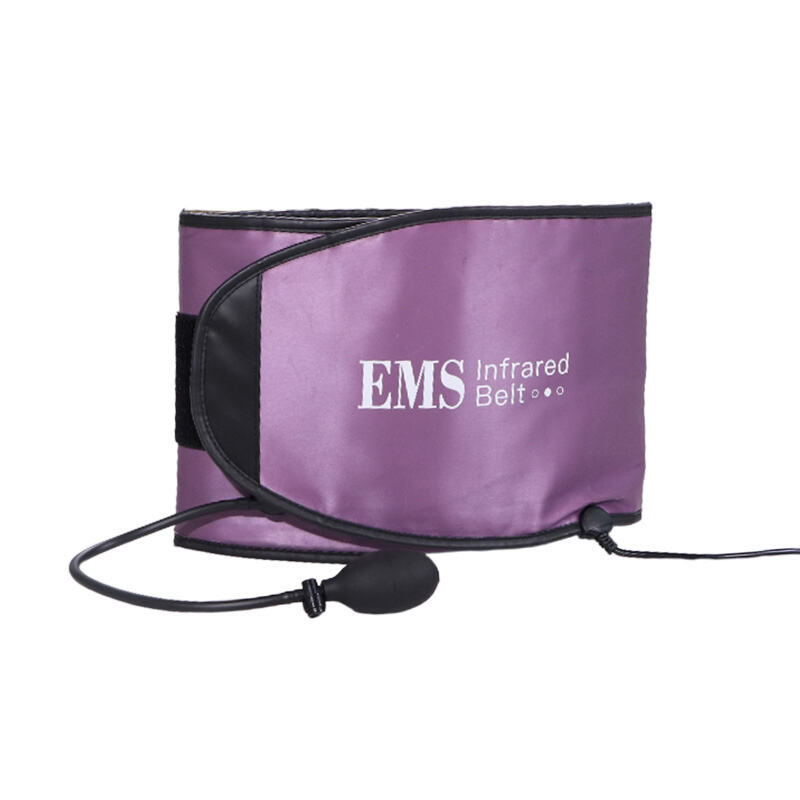
An EMS belt is a device that uses electrical muscle stimulation to induce muscle contractions, helping enhance workout effectiveness.
Why is targeted nutrition important for EMS belt users?
Targeted nutrition is crucial as EMS belts trigger intense muscle contractions, depleting glycogen and requiring specific macronutrient strategies to optimize recovery and muscle adaptation.
Can conventional diets work for EMS belt training?
Conventional diets may not be effective for EMS belt users as they often neglect the importance of timing and specific nutrient needs necessary for optimal recovery and performance.
What kinds of foods should be consumed around EMS sessions?
Pre-session, focus on complex, low-glycemic carbs like oats and sweet potatoes. Post-session, consume moderate-glycemic options like quinoa to replenish energy.
How does EMS training differ from traditional training?
EMS training involves more intense and simultaneous muscle contractions than traditional workouts, accelerating glycogen depletion and requiring more targeted nutrition.