 EN
EN




Understanding Slimming Belts: Types and Primary Functions
What Are Slimming Belts? Definition and Purpose in Waist Shaping
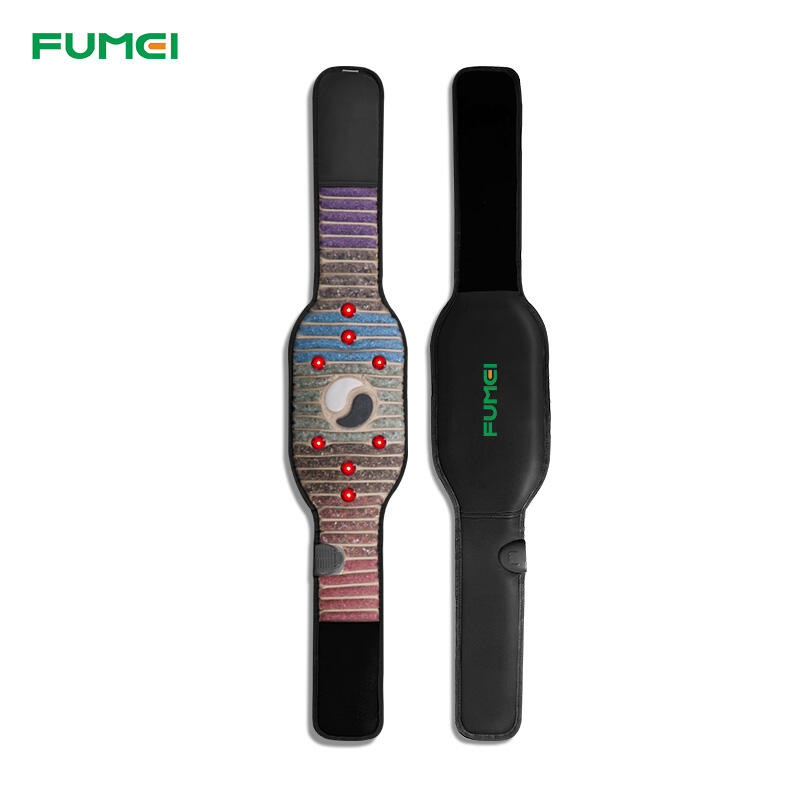
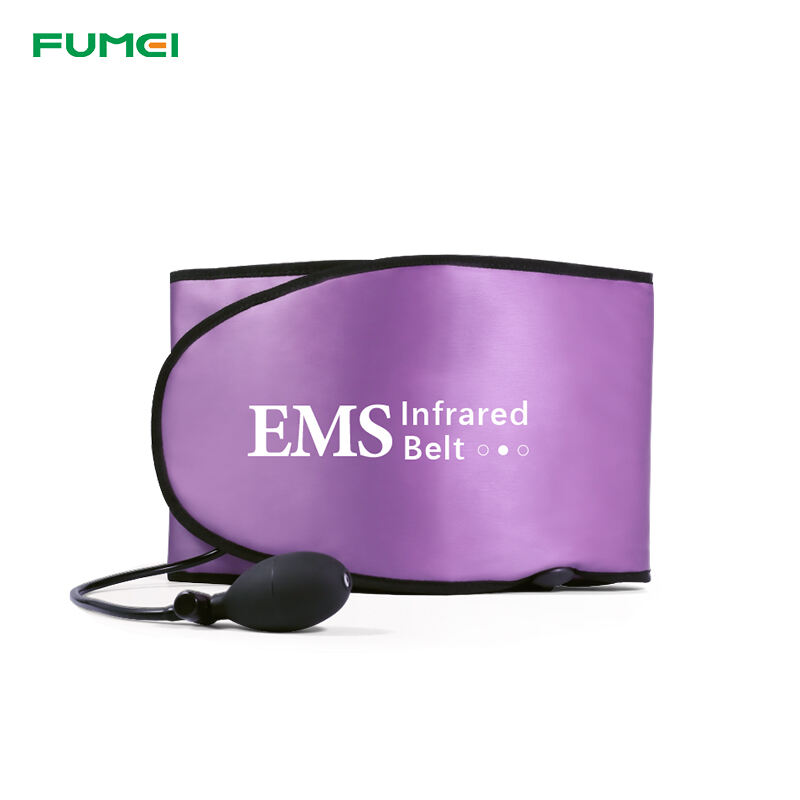
Slimming belts basically wrap around the waist and help shape it up using different methods. Some squeeze tighter than regular shapewear, others generate heat or send gentle electric signals to muscles. Traditional compression garments just push things inward, but newer versions actually do more than that. They incorporate stuff like infrared heating or mild electrical pulses which supposedly boost fat burning while wearing them. According to a study from last year, around six out of ten people saw their waist measurements drop after wearing one regularly for about two months along with doing some light workouts. Most folks get these mainly for three reasons really: they want better defined curves, improved standing posture, and that temporary hourglass look everyone loves. That's why so many gym goers and anyone looking for ways to reshape without surgery end up trying them out.
Common Types of Slimming Belts: Sweat, EMS, Vibrating, Ultrasonic, and More
| Type | Mechanism | Best For |
|---|---|---|
| Sweat | Neoprene material traps body heat | Short-term water weight loss |
| EMS | Electrical muscle stimulation | Toning core muscles |
| Vibrating | High-frequency vibrations | Breaking up stubborn fat deposits |
| Ultrasonic | Low-frequency sound waves | Reducing cellulite appearance |
Studies show that EMS belts can actually increase calorie expenditure by around 17% when working out according to research published in the Journal of Sports Science back in 2022. Meanwhile regular old sweat belts still offer budget friendly solutions for those looking to shed a few inches quickly. The market has seen some interesting developments lately though. There are now hybrid versions that mix both heat and pressure features together. A recent poll from 2024 found that nearly three quarters of people who tried these dual action models felt they worked better than just having one function alone. If someone wants long term success though, fitness professionals generally suggest combining either ultrasonic or EMS technology with actual weight lifting sessions and eating right. It's not magic after all but a combination approach tends to deliver better outcomes over time.
Key Takeaway: While slimming belts produce immediate visual changes via compression, lasting waist shaping depends on complementary lifestyle habits.
Compression and Appetite Suppression: Reducing Caloric Intake Through Wearability
Putting pressure on the midsection might actually help control hunger by activating certain receptors in the belly area. Research published last year in Appetite Science showed that people who wore tight clothing around their waist ate about 12 percent less food at meals than those who didn't. The researchers think this happens because the pressure sends signals to the brain that we're fuller than we really are. For folks trying to watch what they eat, this could be a simple trick to cut back on portions without having to follow strict diets or give up favorite foods completely. Of course, everyone's body reacts differently, so results might vary from person to person.
Postural Support and Core Muscle Engagement for Improved Waist Definition
Slimming belts provide support that helps keep the spine in a neutral position when moving around throughout the day. A recent study published in the Journal of Sports Medicine found that people wearing these belts saw about an 18 percent boost in activity from their transverse abdominis muscles while just standing there. When someone maintains good posture with belt support, it actually gets those deep core muscles working harder. These muscles are what gives the waist area its definition naturally. So even on days without exercise, the body starts to look more toned simply because those muscles stay engaged. Plus, over months of regular use, most users report feeling stronger overall in their daily activities too.
Enhancing Workouts: Using Slimming Belts During Physical Activity
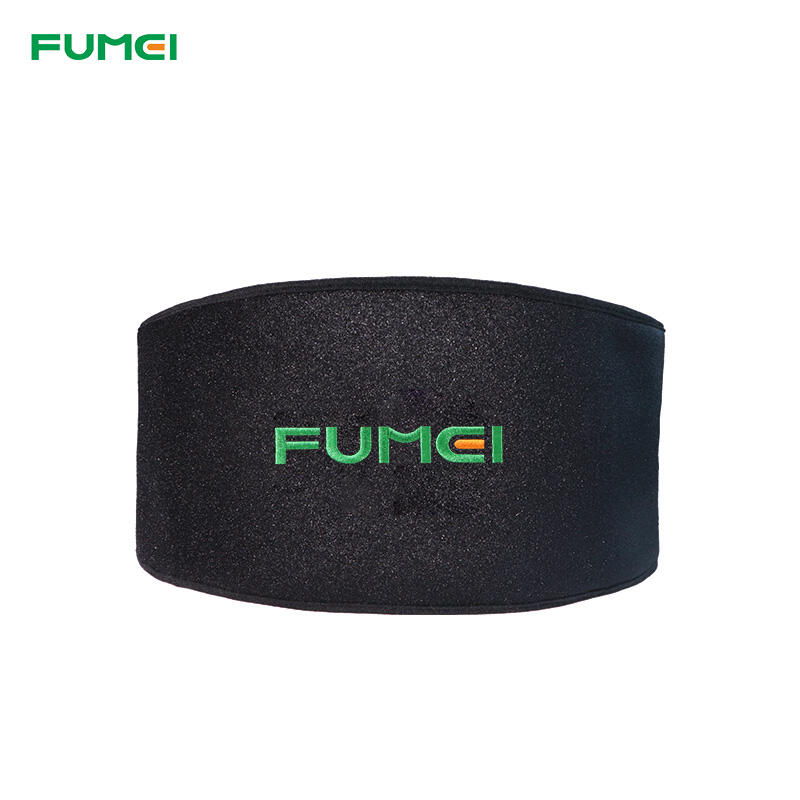
Putting on those slimming belts while working out seems to crank up both heat and physical stress in the body. Research indicates that when someone does cardio with one of these compression devices, their core temp can go up around 1.2 degrees Celsius. This leads to sweating more than usual, which helps shed some water weight pretty quickly. There's another interesting side effect too. The extra resistance actually encourages deeper belly breathing. A study from kinesiologists back in 2022 found this kind of breathing pattern boosted oxygen intake by about 14%. That might explain why some people report feeling more stamina during intense workouts like HIIT sessions, though results probably vary from person to person.
Evaluating Realistic Results: Temporary Gains vs. Long-Term Transformation
Temporary Cinching vs. Permanent Waist Shaping: What Users Can Expect
Waist slimmers work mainly by squeezing the area tight, which can knock off about an inch or two right away from measurements, though they don't actually get rid of any fat cells underneath. Studies looking at all sorts of body shaping methods found most people who wore these things ended up back at their regular waist sizes just eight hours after taking them off. Some newer models with heat or vibration might boost blood flow locally by around 15 percent while being worn according to a study published in Sports Medicine last year. But those effects disappear pretty quickly once someone stops wearing the belt. If someone wants real results over time, they need to think about changing habits for good rather than relying on gadgets alone. That's what makes sense when we look at how people actually stick with new routines long term.
Maximizing Outcomes: Combining Slimming Belts with Diet and Exercise
Pairing slimming belts with calorie-controlled diets and strength training significantly improves results. In a 12-week trial, participants using EMS belts during workouts lost 1.3x more abdominal fat than those relying on diet alone. Key synergies include:
- Improved proprioception during core exercises due to compression
- 22% higher localized sweating during cardio with thermal belts
As noted in workforce development strategies, gradual habit formation leads to greater long-term adherence than rapid interventions.
Case Study: Long-Term Use of EMS Belts and Measurable Waist Reduction
A 6-month observational study tracked 150 adults using EMS belts five times weekly alongside structured training:
| Metric | Month 1 | Month 6 |
|---|---|---|
| Waist Circumference | -1.2" | -2.8" |
| Subcutaneous Fat | -9% | -23% |
| Exercise Compliance | 61% | 89% |
Results highlight that EMS belts function best as adjuncts to active training. Participants maintaining over 150 minutes of weekly exercise achieved triple the waist reduction compared to infrequent users.
Safety Considerations and Medical Perspectives on Slimming Belt Use
Potential Risks: Digestive, Respiratory, and Organ Displacement Concerns
Wearing slimming belts for too long might actually squeeze the organs in the belly area, which doctors are worried could mess with digestion and breathing. People who've had recent stomach operations or deal with hernias should be especially careful since they run a greater chance of getting problems like heartburn or trouble catching their breath. According to some research from last year, when these belts are too tight, they can boost pressure inside the abdomen by around 30 percent, making existing reflux issues worse. And there's another issue too: if the belt restricts how the diaphragm moves, it can cut down on lung capacity by about 15 to 20 percent while wearing them, according to findings published in Alimed's posture study earlier this year.
Medical and Physical Therapy Insights on Prolonged Waist Trainer Usage
Most physical therapists suggest keeping slimming belt usage around 2 to 4 hours daily because wearing them too long can actually weaken the core muscles over time. According to guidelines from MedicalXM, it's best practice to switch between wearing the belt and doing some form of core strengthening work to keep the spine stable. Some interesting stats from last year's Rehabilitation Journal show that about two thirds of people who used these belts occasionally while also working on their strength saw better posture without getting dependent on the compression. For anyone dealing with existing back or muscle issues though, talking to a doctor first makes sense before adding any kind of compression device to their regular fitness routine.
FAQ
What are the main types of slimming belts?
The main types of slimming belts include sweat belts, EMS belts, vibrating belts, and ultrasonic belts, each having distinct mechanisms such as trapping body heat, electrical muscle stimulation, high-frequency vibrations, and low-frequency sound waves, respectively.
Do slimming belts offer permanent waist size reduction?
While slimming belts can provide temporary waist reduction and improve visual appearance, lasting effects require combining them with lifestyle habits such as diet and exercise.
Are there any risks associated with using slimming belts?
Yes, prolonged use of slimming belts can pose risks including pressure on organs leading to digestive and respiratory issues. It's advisable to use them for limited hours and consult with medical professionals if needed.
Can slimming belts help with appetite control?
Slimming belts may help in reducing appetite as pressure on the waist can signal fullness to the brain, potentially leading to reduced food intake during meals.
How can slimming belts enhance workout performance?
Wearing slimming belts during workouts may increase core temperature and sweat, boosting stamina and performance through improved oxygen intake and deeper breathing patterns.
Table of Contents
- Understanding Slimming Belts: Types and Primary Functions
- Compression and Appetite Suppression: Reducing Caloric Intake Through Wearability
- Postural Support and Core Muscle Engagement for Improved Waist Definition
- Enhancing Workouts: Using Slimming Belts During Physical Activity
- Evaluating Realistic Results: Temporary Gains vs. Long-Term Transformation
- Safety Considerations and Medical Perspectives on Slimming Belt Use
- FAQ