 EN
EN


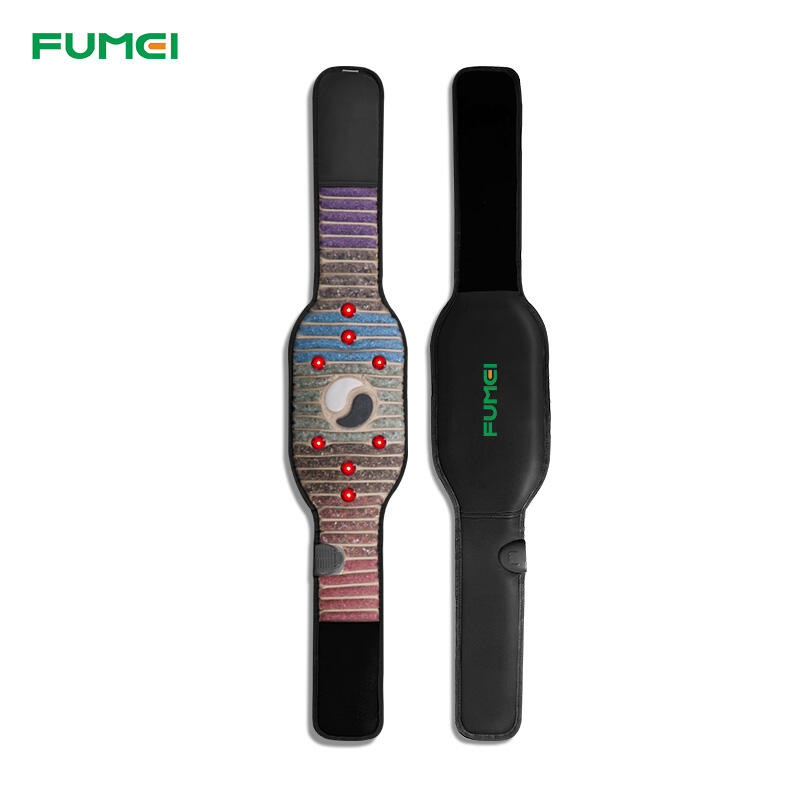



How a PEMF Mat and Infrared Work Together to Boost Circulation and Tissue Repair
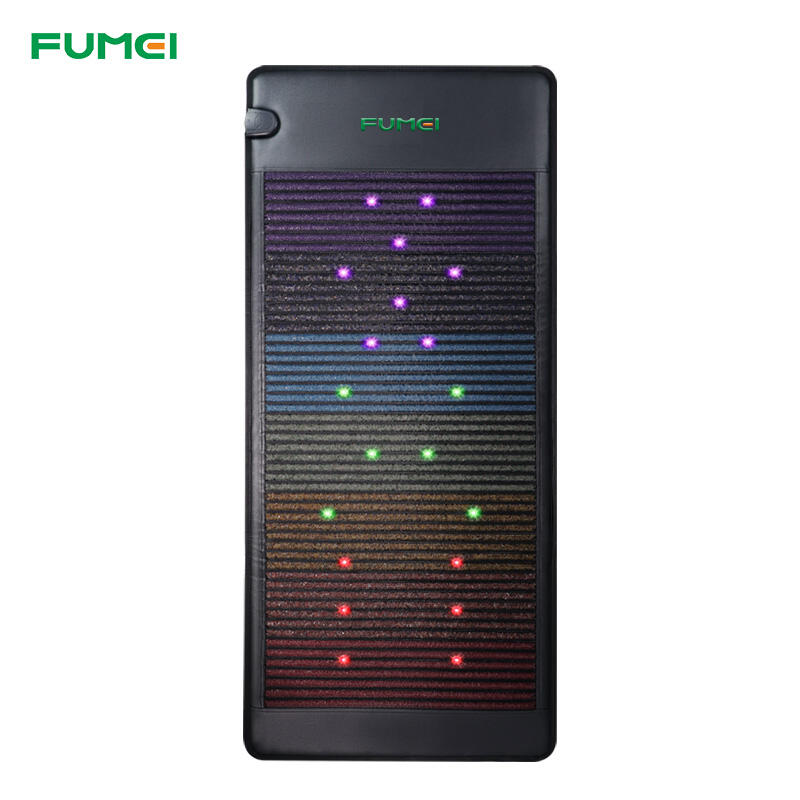
Microcirculation Enhancement: PEMF Mat Stimulates Capillary Flow, Infrared Promotes Vasodilation via Nitric Oxide
PEMF mats work by stimulating those tiny blood vessels called capillaries, which helps get more nutrients to injured areas faster. At the same time, when someone sits on an infrared pad, it heats things up just enough to kickstart nitric oxide production, causing blood vessels to widen significantly. What makes this combination so effective? Well, the PEMF part basically tunes up how cells handle electricity, making it easier for fluids to move through those capillaries. Meanwhile, the infrared component can actually stretch blood vessels by around 28%, letting more blood flow through them. When these two effects happen together, oxygen gets deeper into tissues and waste products get flushed out quicker. This matters because without proper oxygen supply and waste removal, inflammation lingers and healing takes forever.
Clinical Evidence: Combined Use Increases Capillary Perfusion by 42% vs. Standalone Therapy (2023 RCT)
A 2023 randomized controlled trial demonstrated the quantifiable superiority of pairing a PEMF mat with infrared therapy: subjects using both modalities achieved a 42% higher capillary perfusion rate compared to those using either technology alone. This perfusion boost directly correlated with:
- A 30% faster reduction in inflammatory biomarkers (CRP, IL-6)
- A 27% improvement in tissue oxygenation saturation
- Significantly accelerated wound closure in chronic injury cases
The study confirms that PEMF electromagnetic signaling primes cellular responsiveness—allowing infrared's vasodilatory effects to achieve substantially greater biological impact than monotherapy approaches.
Cellular Energy Optimization: ATP Production Through PEMF Mat and Infrared Synergy
Mitochondrial Mechanisms: PEMF Mat Enhances Calcium-Dependent Signaling; Infrared Activates Cytochrome c Oxidase
When used together, PEMF mats work hand in hand with infrared therapy to boost how cells produce energy through different mitochondrial pathways. The PEMF tech helps move calcium ions across cell membranes, which kicks off signaling processes that get mitochondria ready to make ATP more efficiently. At the same time, those infrared waves actually target something called cytochrome c oxidase, which sits at the end of the electron transport chain inside our cells. This interaction helps mitochondria use oxygen better. Put them together and what we see is a much better biochemical setup for creating more ATP than either method could achieve alone.
Measured Outcome: 37% Higher ATP Synthesis in Human Fibroblasts Under Dual-Modality Exposure
When human fibroblast cells were subjected to both PEMF and infrared treatments together, they generated about 37% more ATP compared to when they received just one treatment alone according to research from last year. With this extra energy available, tissues can heal faster while also fighting off oxidative stress because the cells now have what they need to deal with those pesky metabolic waste products. What this shows is pretty interesting actually. Combining these two approaches tackles the root cause of cellular fatigue rather than just treating symptoms. That's why many experts believe these methods should be included in any serious recovery program based on real scientific findings.
Optimal Use Protocol: When and How to Combine a PEMF Mat with Infrared for Targeted Recovery
Sequencing Strategy: Why PEMF Mat First Improves Cellular Responsiveness to Subsequent Infrared
Starting sessions with a PEMF mat helps get cells ready for what comes next when we introduce infrared therapy. The electromagnetic pulses actually boost those tiny channels in cell membranes and improve calcium signals too, which makes cell walls more open and receptive to absorbing infrared energy better. Some research from last year showed muscles treated first with PEMF had about 30% more heat spread out through them compared to untreated areas. So basically, we're using PEMF to fine tune the body's electrical systems before bringing in the warmth from infrared. Give about five to seven minutes between these treatments so the body can adjust properly at the cellular level. This small waiting period seems to make all the difference in how well everything works together.
Practical Guidelines: Session Duration, Intensity Settings, and Population-Specific Protocols
Tailor sessions to individual physiology and goals:
| Parameter | Athletes | Chronic Pain Patients |
|---|---|---|
| Session Duration | 15–20 min PEMF + 10 min IR | 20 min PEMF + 15 min IR |
| PEMF Frequency | 10–15 Hz (muscle repair) | 5–8 Hz (nerve calming) |
| Infrared Temp | 40–45°C (localized) | 38–42°C (full-body) |
Most athletes find that using this therapy right after training works wonders for them. The higher PEMF settings seem to kickstart muscle recovery processes that rely on ATP production, then switching to infrared helps flush out those annoying lactic acid buildups and other waste products from workouts. For people dealing with chronic pain issues, a softer approach tends to work better overall. Lower PEMF levels can calm down overactive nerves, and the gentle warmth from infrared really gets blood flowing again in tight areas where oxygen levels are low. A few important tips though: make sure to drink plenty of water both before and after these sessions. Keep an eye on how sensitive the skin feels during treatment, and don't push past 30 minutes unless someone who knows what they're doing gives the green light first. Safety always comes first with these kinds of treatments.
FAQ
How do PEMF mats work?
PEMF mats stimulate tiny blood vessels, called capillaries, which increase the flow of nutrients to injured areas and improve how cells handle electricity to enhance fluid movement.
Why is infrared therapy used alongside PEMF mats?
Infrared therapy heats the body, stimulating nitric oxide production and causing vasodilation, which enhances the effects of PEMF by allowing more blood to flow through expanded blood vessels.
What are the benefits of using both PEMF and infrared therapies together?
Combining PEMF and infrared therapies can lead to higher capillary perfusion, faster reductions in inflammatory biomarkers, improved tissue oxygenation, and accelerated wound healing.
How should PEMF and infrared therapies be sequenced?
Beginning with a PEMF session prepares cells to respond more effectively to subsequent infrared exposure, optimizing cellular responsiveness and treatment efficacy.
Are there specific guidelines for different populations when using PEMF and infrared therapies?
Yes, athletes typically use higher PEMF frequencies and shorter infrared durations, whereas chronic pain patients benefit from lower frequencies and longer infrared exposure, tailored to their individual needs.